works
-
Cycladic Biennale, Naxos, August-September, 2026
-
Spazio b5, Bologna, May-June, 2026
-
BoA Spazio Arte, Bologna, May - April 2026
-
Fotografia contemporanea a Palazzo degli Strazzaroli, Art City 2026
-
BoA Spazio Arte, Bologna, 2025
-
Crypt of San Zama, Bologna, 2025
-
BoA Spazio Arte, Bologna, 2024
-
Il Punto Gallery, Bologna, 2023
What Re-mains
Unfixed
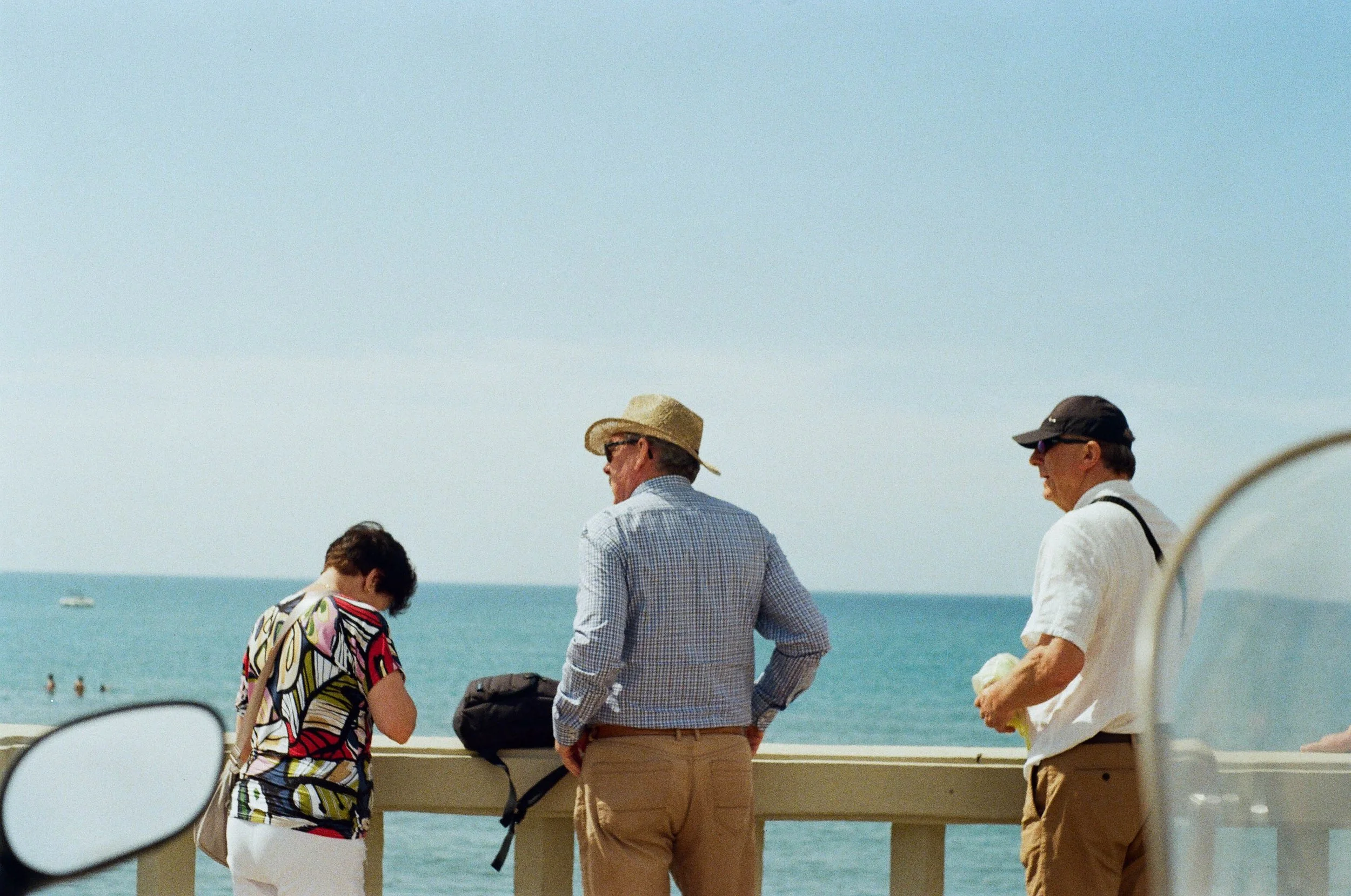
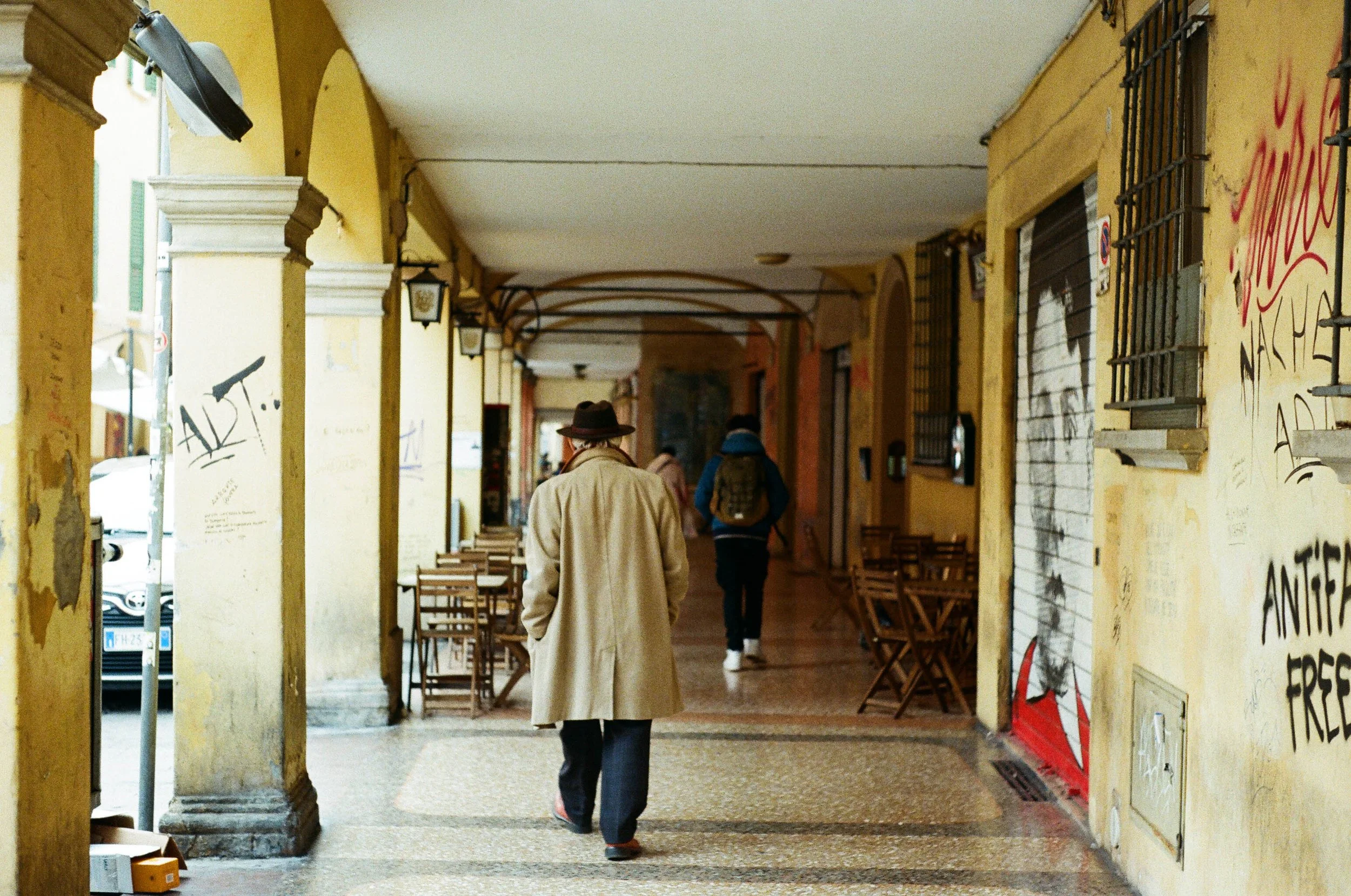
Unfixed is an analog photographic project exploring identity, anonymity, and the experience of passing through a place. The people portrayed are deliberately photographed from behind. Their faces and identities remain unseen, transforming them into anonymous figures — people in transit, temporarily inhabiting a place without necessarily belonging to it. This absence of identity also creates the possibility of identification. By not knowing who these people are, the viewer can recognise themselves in them. They become a reflection of our own experience as travellers, visitors, and temporary inhabitants.
The project also observes the relationship between tourism and place: the way certain destinations are experienced through the constant movement of people, while their deeper identity often remains beyond the surface of the visit. The sea is a recurring element throughout the series. It represents both a geographical and symbolic threshold: a space that separates and connects, and a passage between one place and another. It speaks of departure, arrival, movement, and the temporary nature of being somewhere.
Through analog photography, Unfixed reflects on what remains when identity, presence, and belonging are never completely fixed. What remains is not necessarily what stays, but what we carry with us when we leave.
Cycladic Biennale, Naxos, August-September, 2026
(other works will be uploaded at a later stage)

Resonance of Light
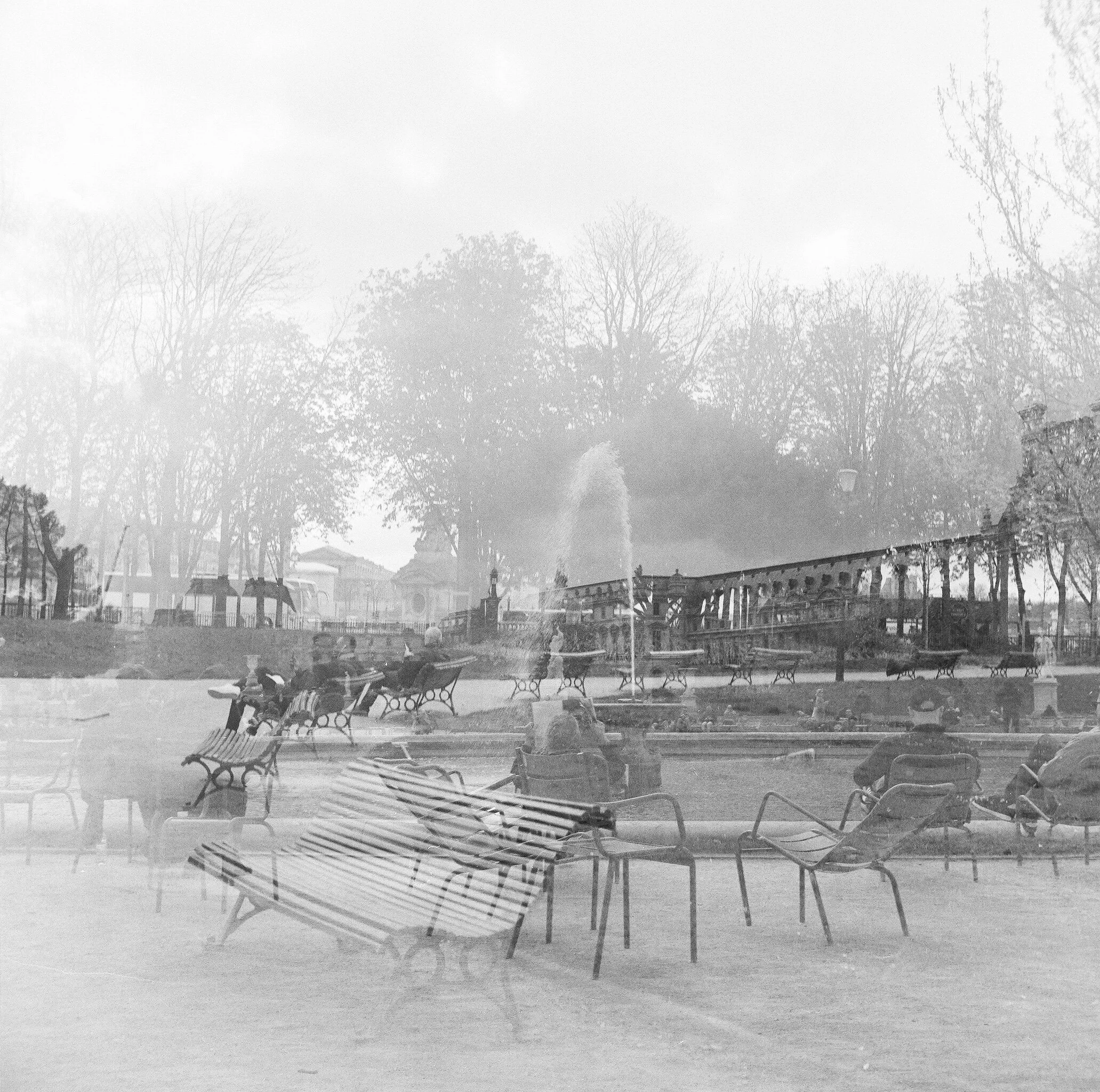
The artist presents four images captured in Paris in 2023 using a Rolleiflex medium format camera and Rollei Retro S 400 film. Each photograph is the result of a deliberate process of double exposure, in which light enters the same frame twice, creating two overlapping layers of imagery within a single negative.
Through this technique, Negroni explores photography as a space of encounter between different moments, where time, memory, and perception merge. The superimposition of two exposures generates a visual dialogue between presence and absence, between the physical reality of a place and the emotional trace it leaves behind.
In these works, light becomes more than a tool for recording reality: it becomes a material element capable of transforming, preserving, and rewriting the memory of an experience. The images become intimate fragments of a journey through Paris, suspended between documentation and imagination, inviting the viewer to enter a space where what is visible resonates with what remains hidden.
Spazio b5, Bologna, May-June, 2026
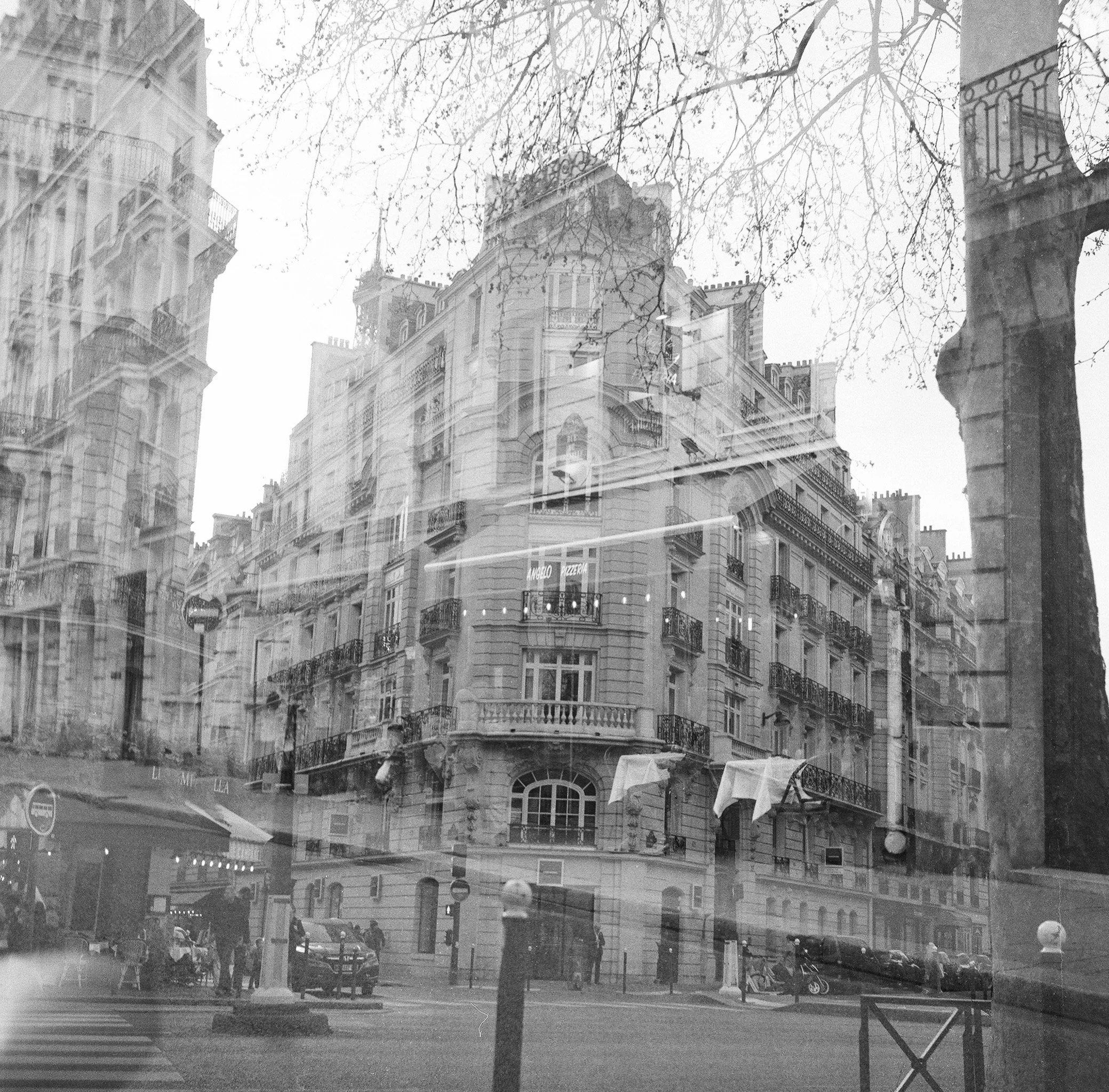
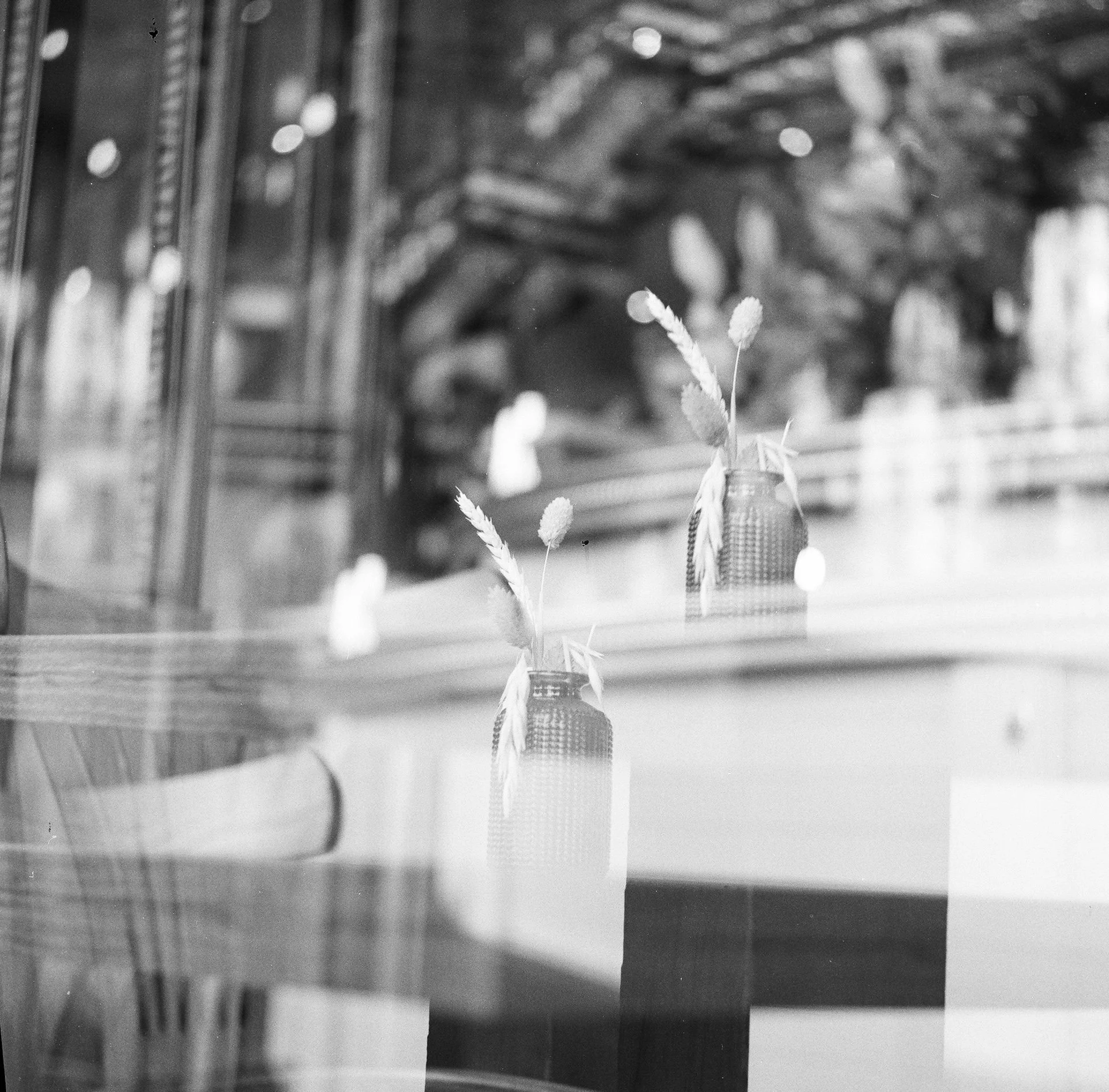
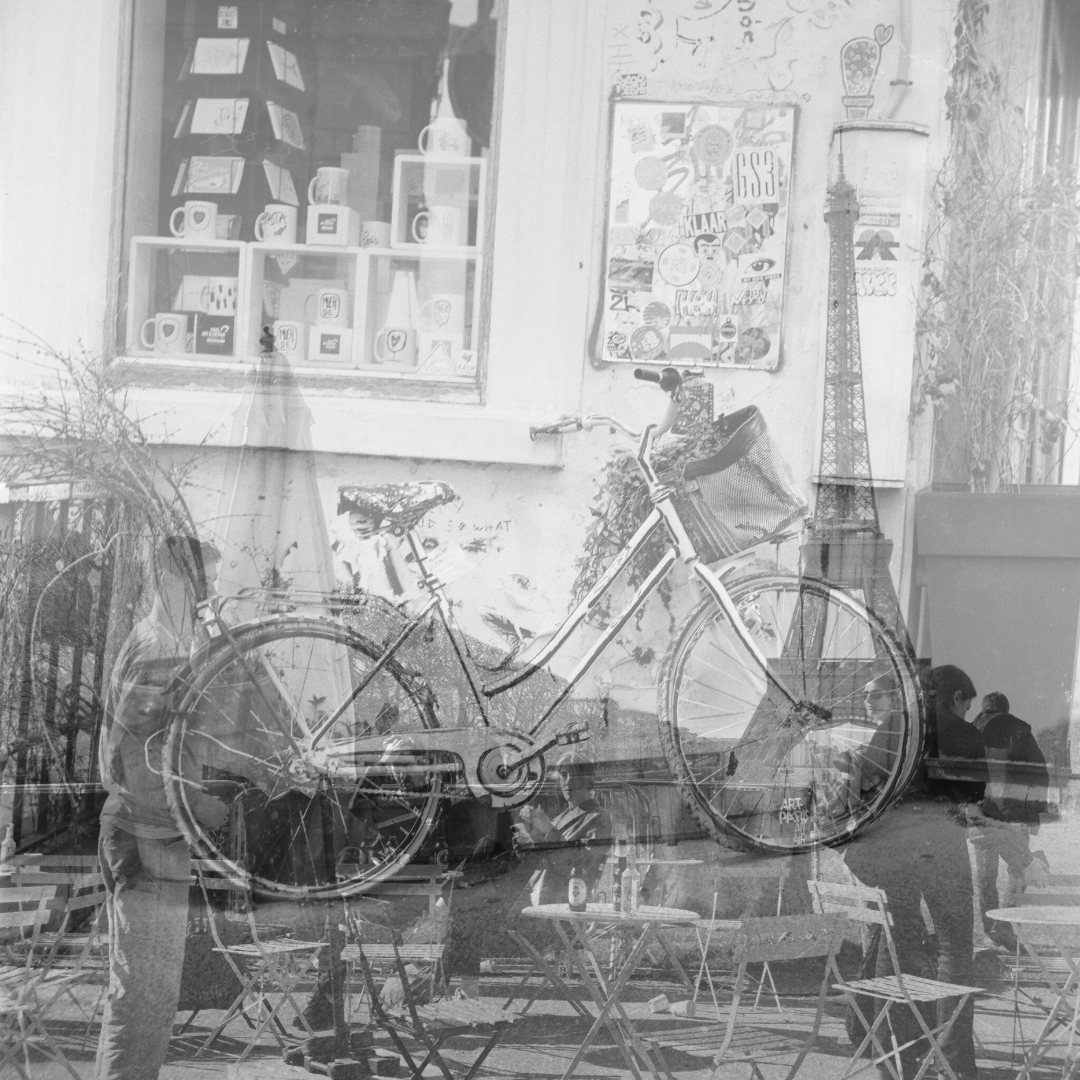
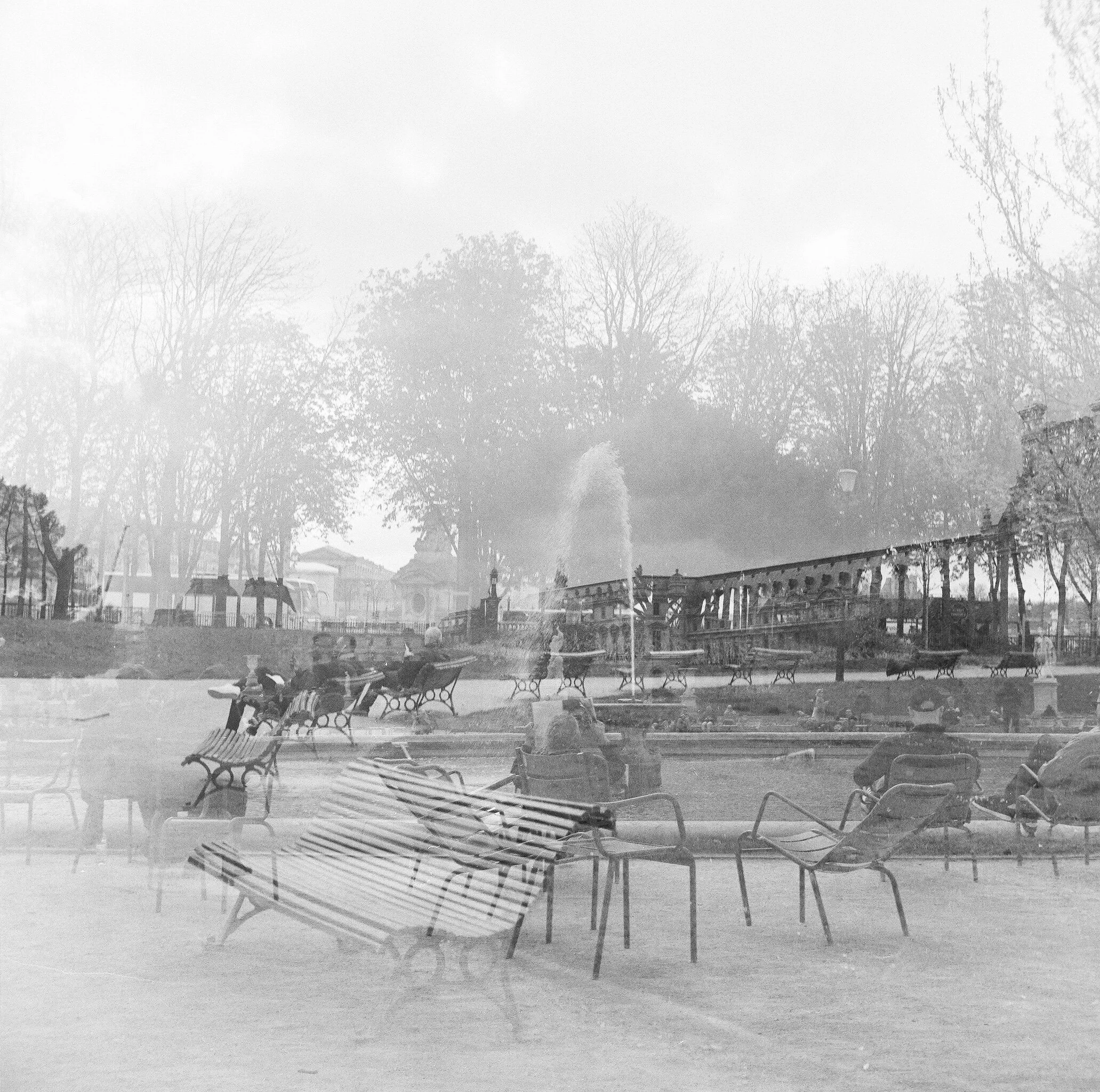
Eco delle piccole distanze
Negroni presents a selection of works to explores the resonance that certain moments leave behind. Film photography introduces a small temporal gap between the act of shooting and the moment of seeing—an exercise in waiting and in accepting limits. By renouncing the immediate control of digital tools and working with an analog camera, the artist embraces a form of temporary blindness that transforms photography from an act of possession into one of offering.
Once extracted from reality, the image is left to settle in the darkness of the film roll, resurfacing only when the emotion of the moment has already become memory. The photograph thus becomes an infinitesimal measure of return.
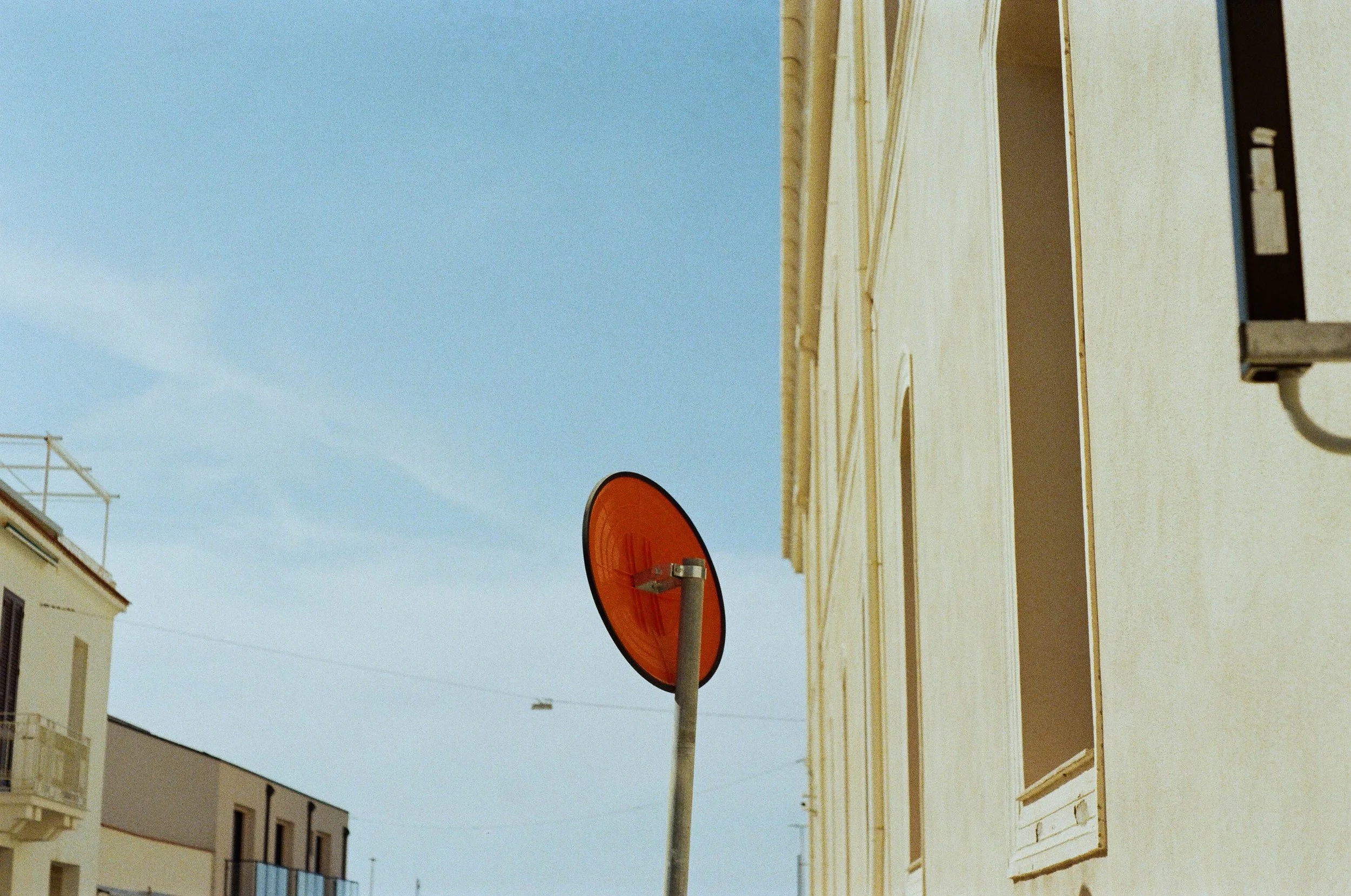
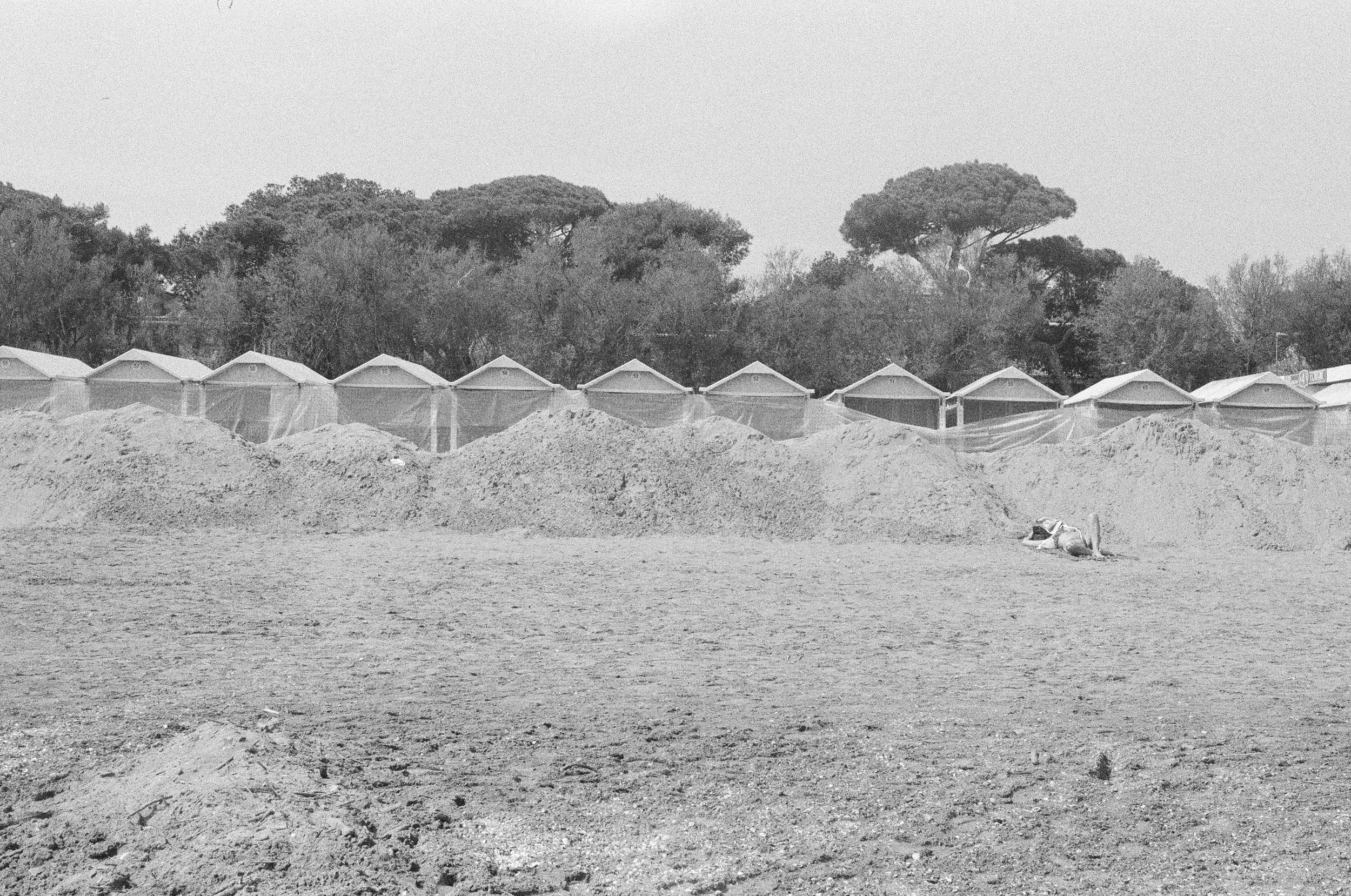
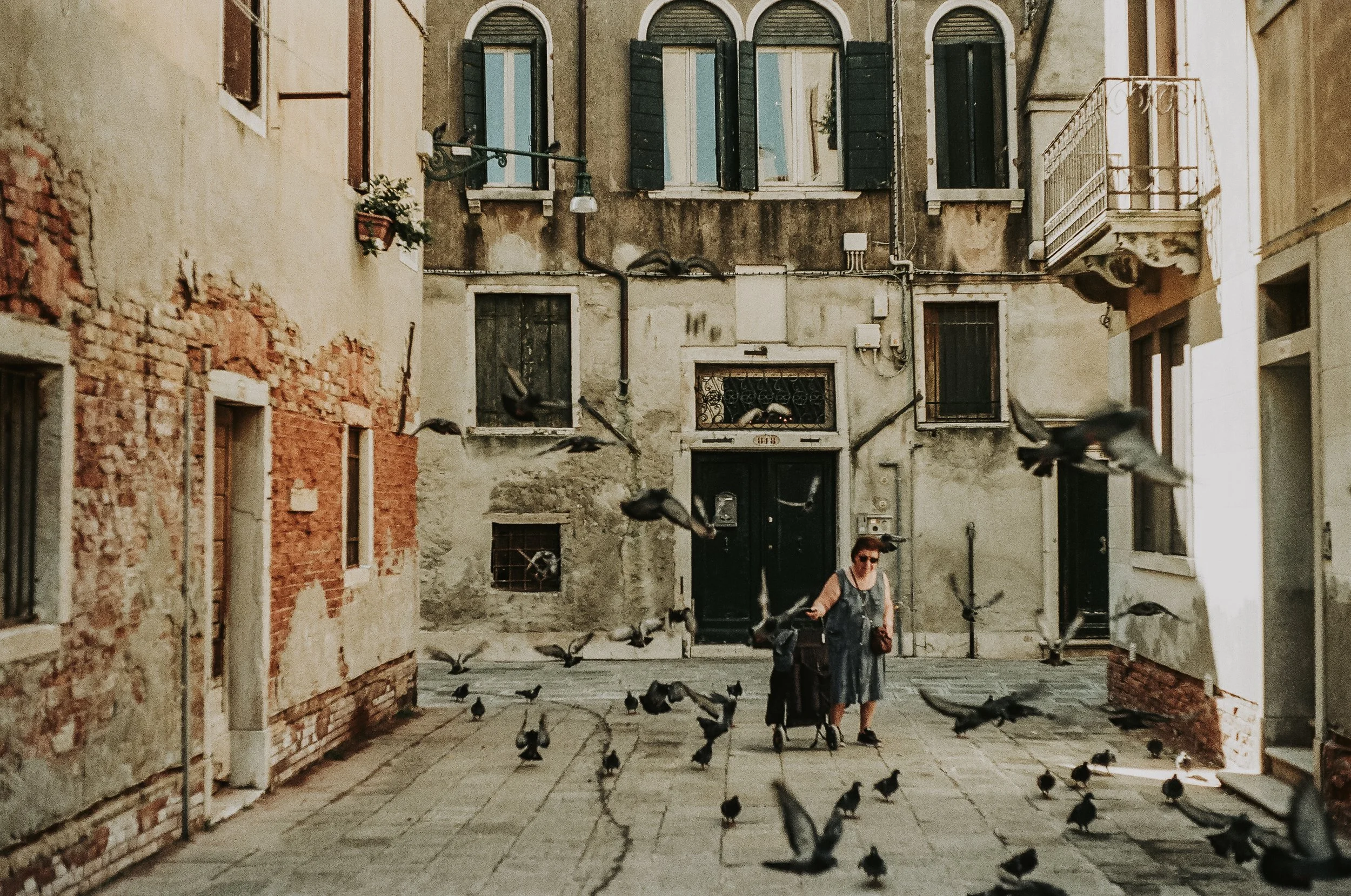
The image ceases to be a record of life and becomes instead a voluntary memory, where time is no longer linear but echoes through recollection. The project emerged from the accidental dialogue between two rolls shot in April, one year apart: warm, saturated Sicily meets a grey, suspended Venice. Through the juxtaposition of matter and emptiness, the images transform chronicle into memory, revealing a coherence beyond the artist’s initial intention.
(Additional photographs available upon request)BoA Spazio Arte, Bologna, May - April 2026

Bologna Immaginata.
Fotografia contemporanea a Palazzo degli Strazzaroli
For the first time, the ancient doors of Palazzo degli Strazzaroli open to the public, welcoming visitors to the piano nobile for a photographic exhibition that brings past and present into dialogue.
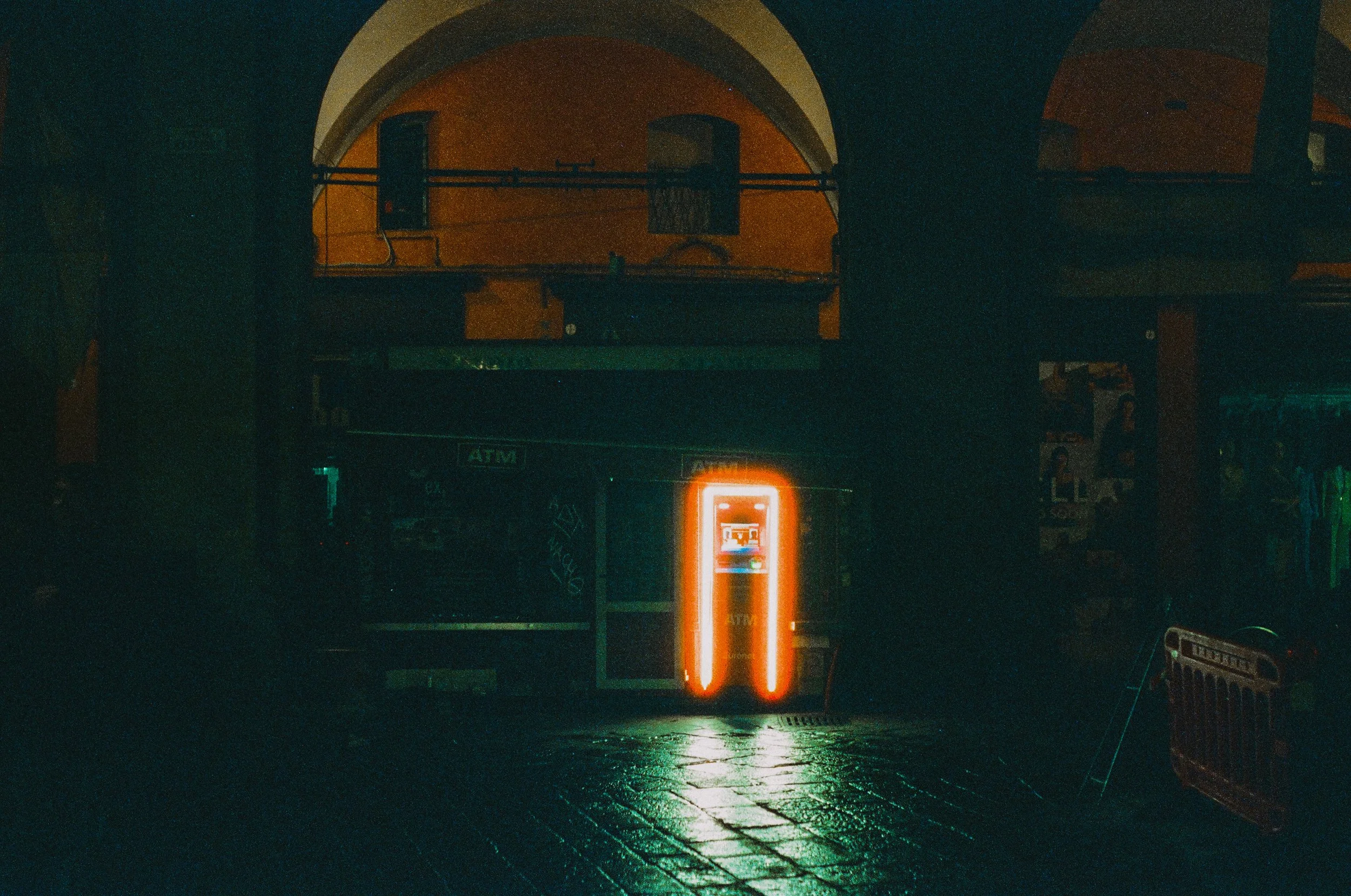
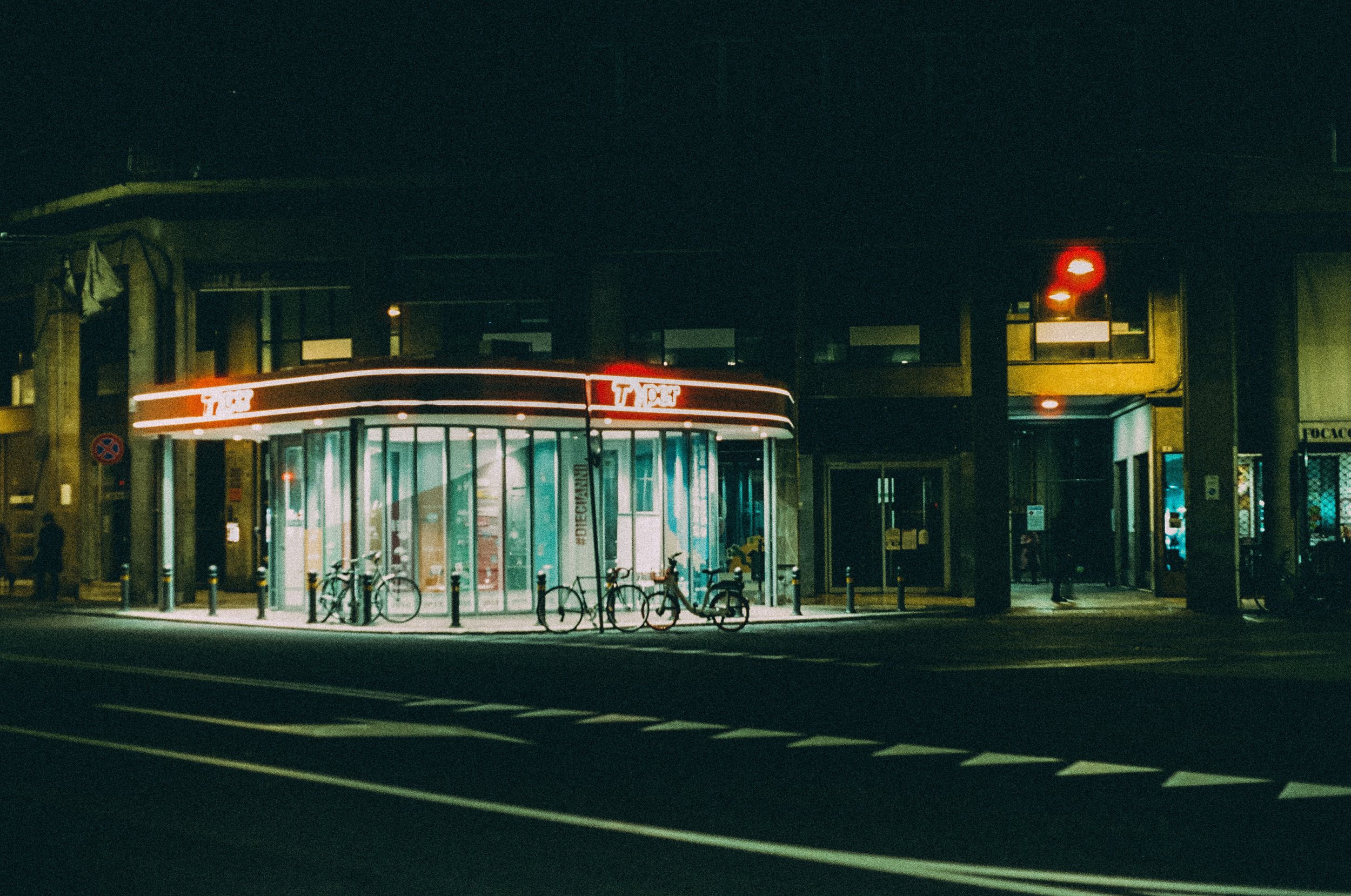
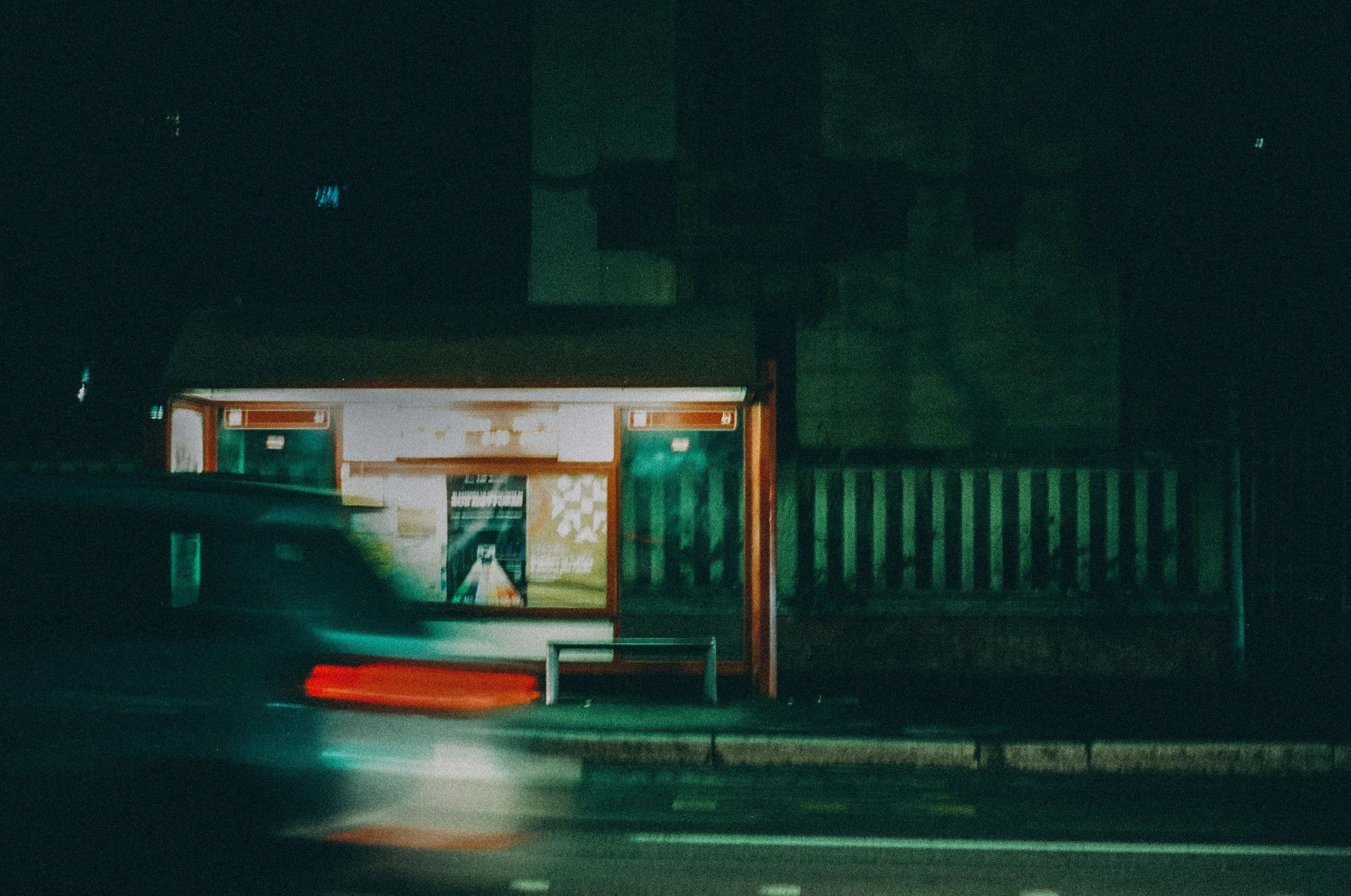
Carolina Negroni explores Bologna at night through three analog photographic shots, taken handheld on Cinestill 800 film. Her work investigates places and buildings that, after dark, shed their everyday function and become silent presences—spaces we walk past without fully noticing. These presences are narrated through movement, light, and color.
The photographic works are accompanied by an audiovisual projection, in which Carolina overlays video recordings made in the same locations as the photographs. The footage is blurred, saturated, and layered, incorporating textures and visual traces of the surrounding environment to recreate a sense of chaos. This chaos—often perceived as something negative or uncontrollable—is here reinterpreted.
For this reason, the visual work is paired with a sound element: the sound of the Earth recorded from space. A soothing, expansive sound that helps to calm and rebalance the experience, offering a peaceful dimension to chaos itself.
Palazzo degli Strazzaroli, Bologna, Art City 2026
Wunderkammer
The Wunderkammer emerges as a space of relationships, where the eye is led by surprise and wonder. Here, the works generate constellations: each piece preserves its own autonomy, yet contributes to a broader structure, embodying the plurality of perspectives that animate the space.
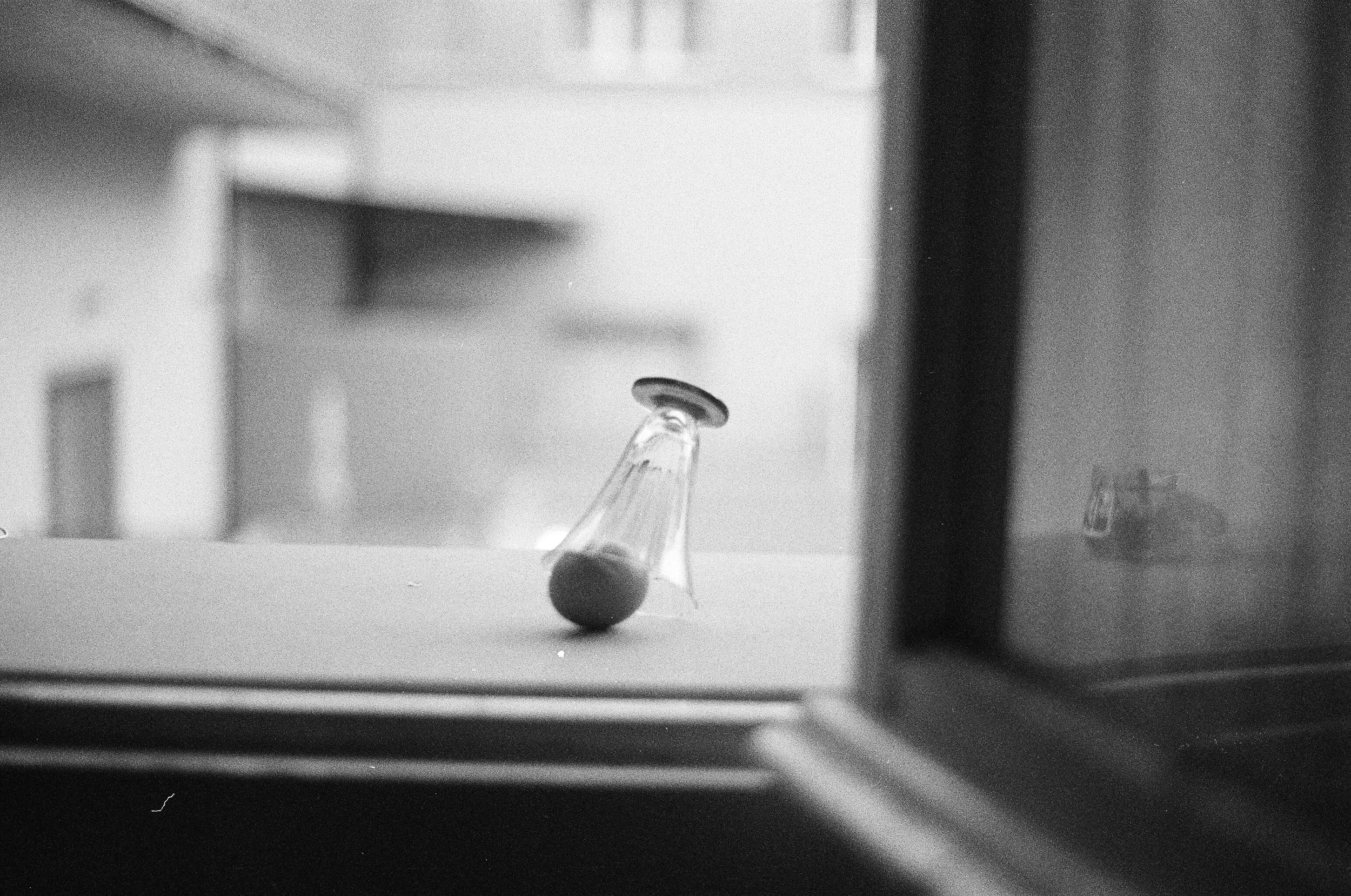
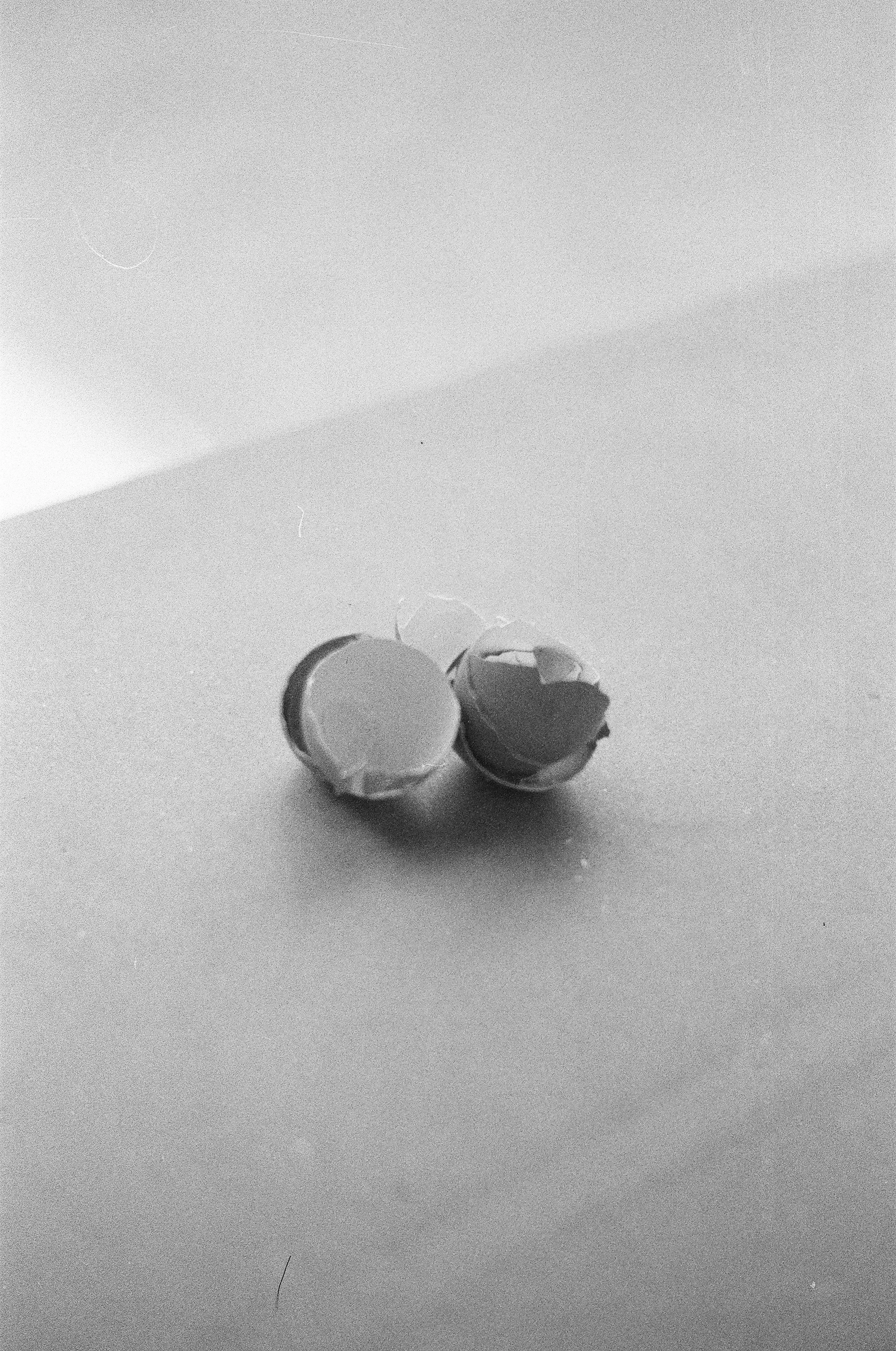
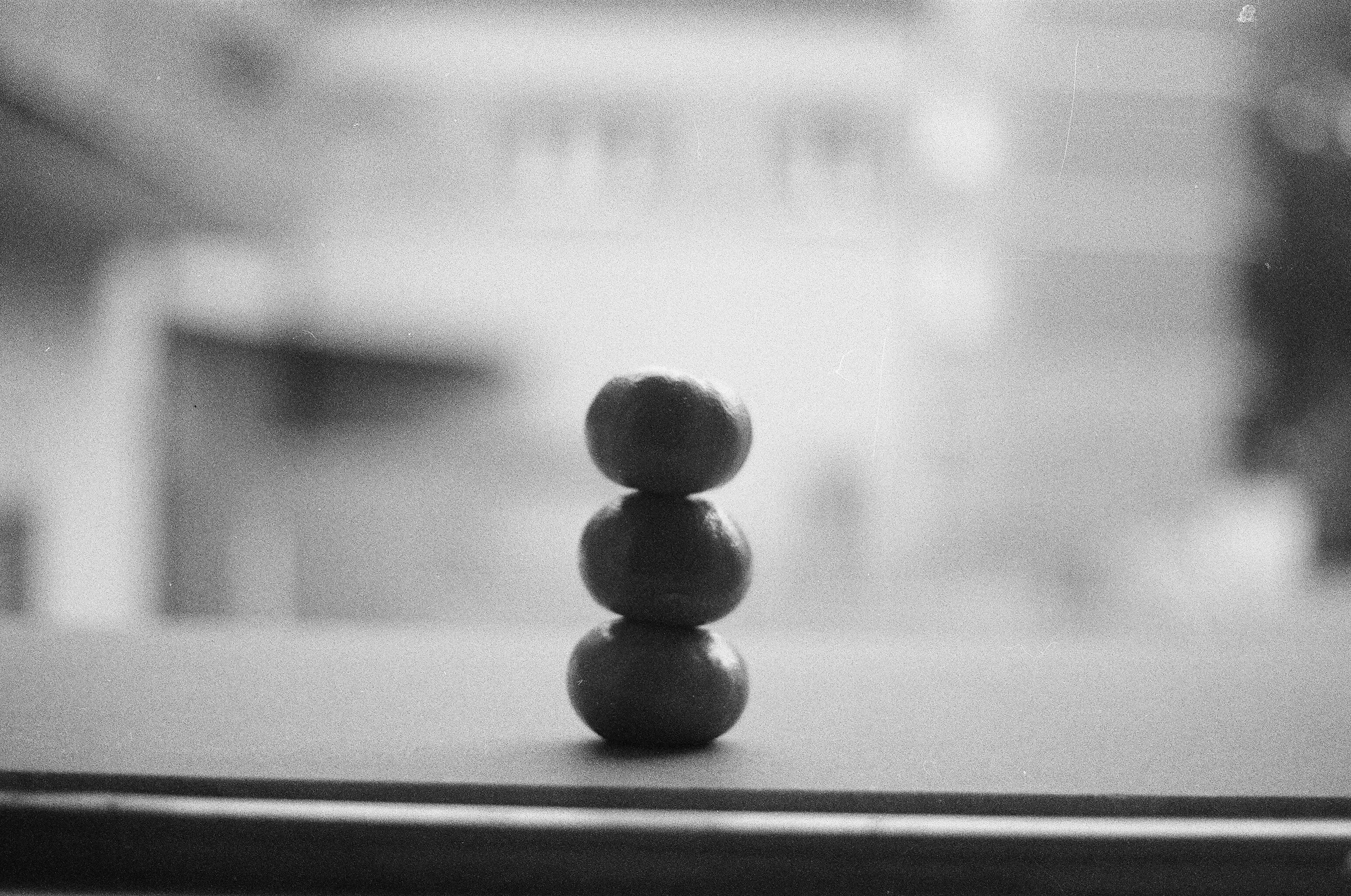
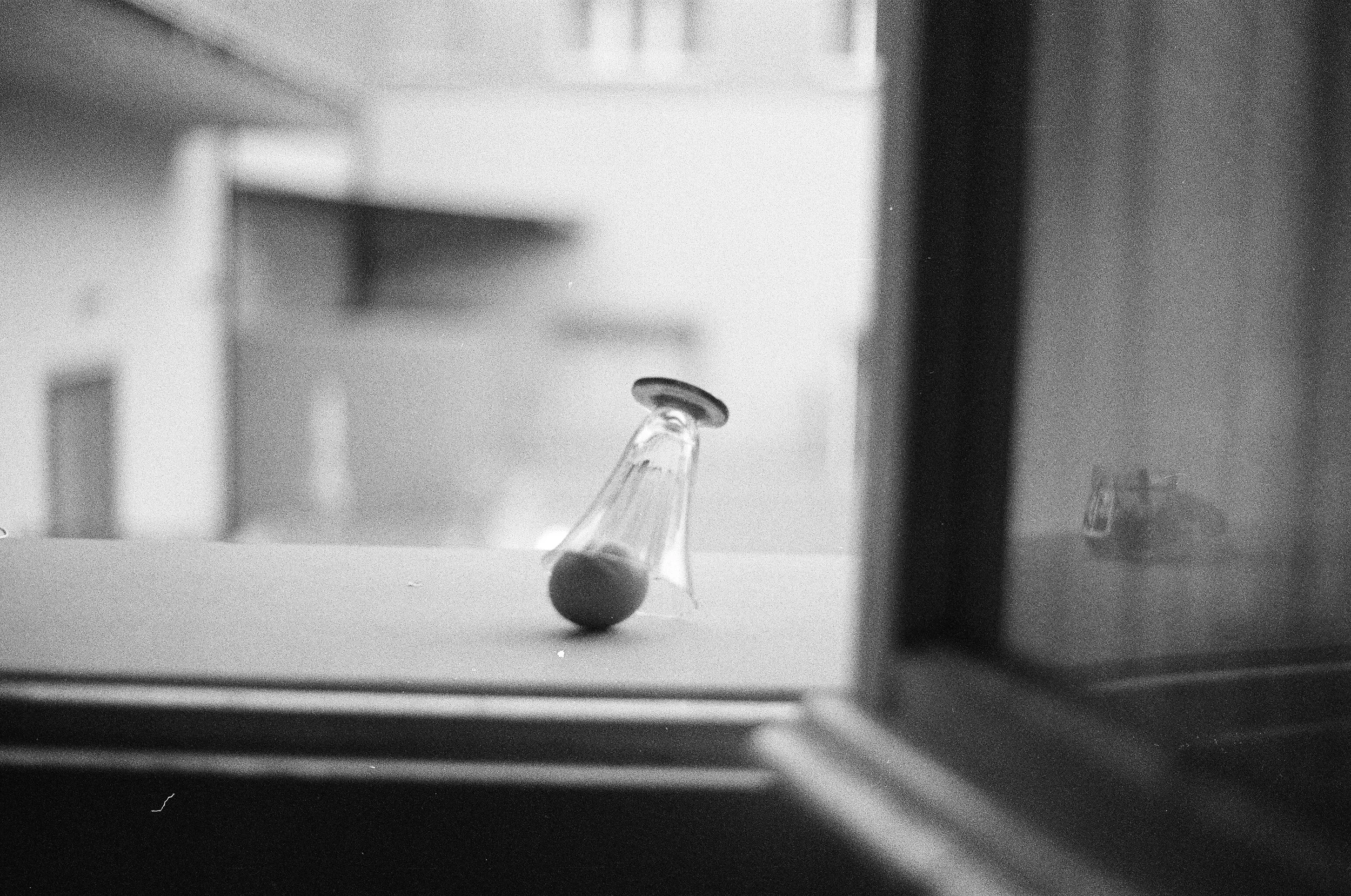
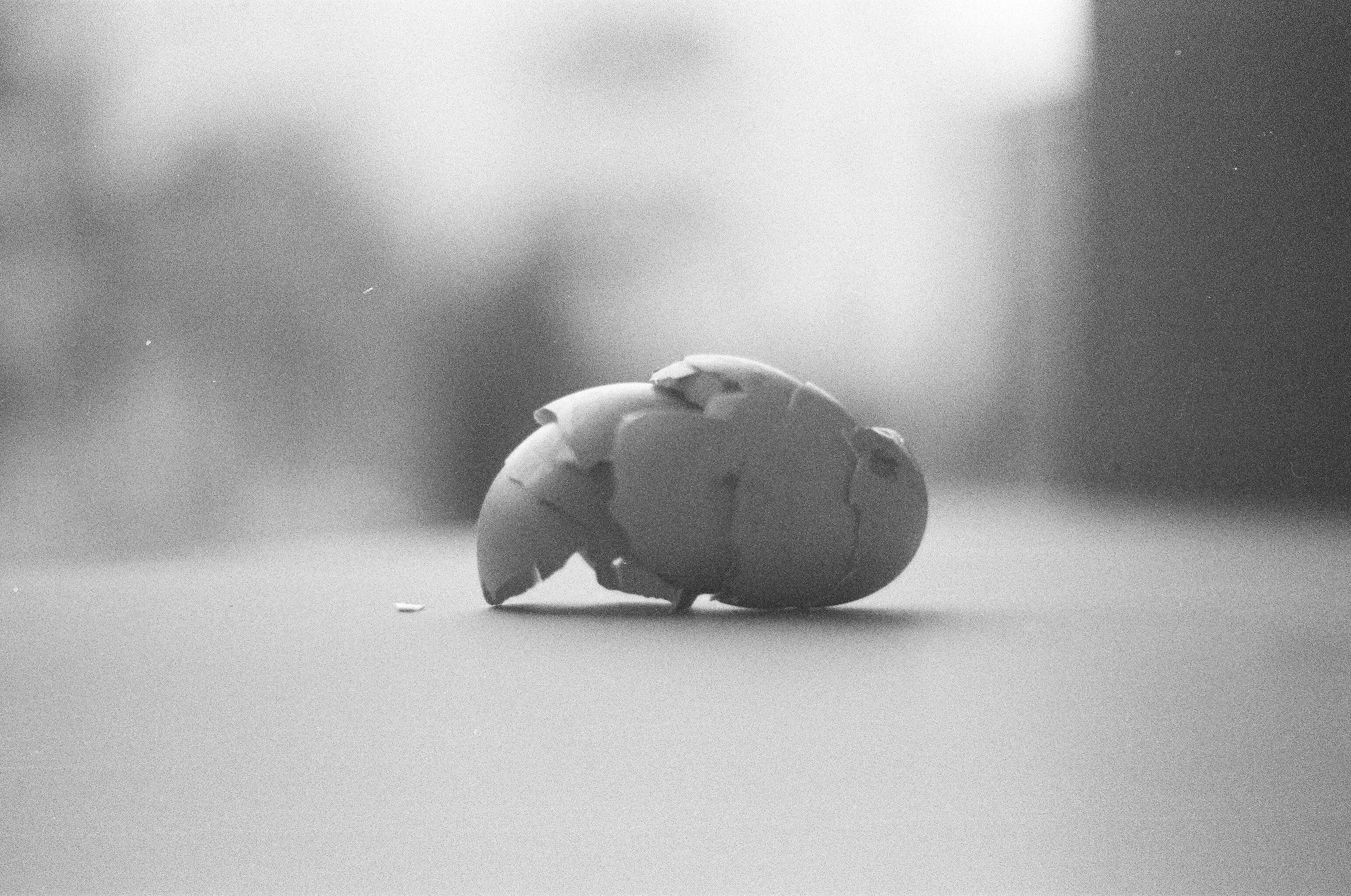
The works presented by Carolina Negroni belong to a black-and-white still-life series shot on 135mm analog film. This body of work focuses on objects typically associated with conviviality—elements commonly found on a shared table, symbolic of togetherness and collective experience. Extracted from their usual context and brought into the foreground, they become protagonists of a still life: static subjects which, paradoxically, evoke the dynamism and warmth of a communal moment.
BoA Spazio Arte, Bologna, 2025
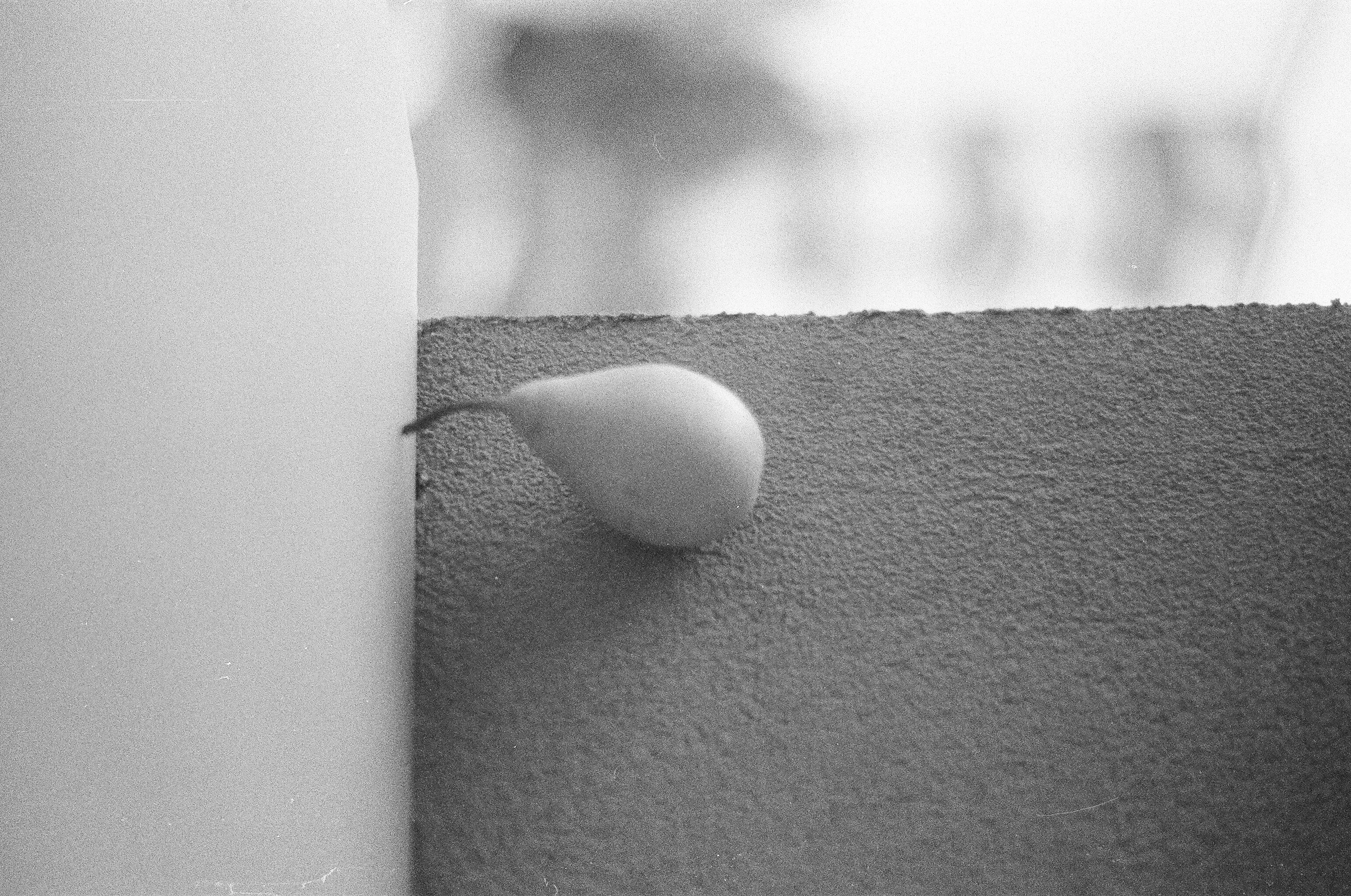

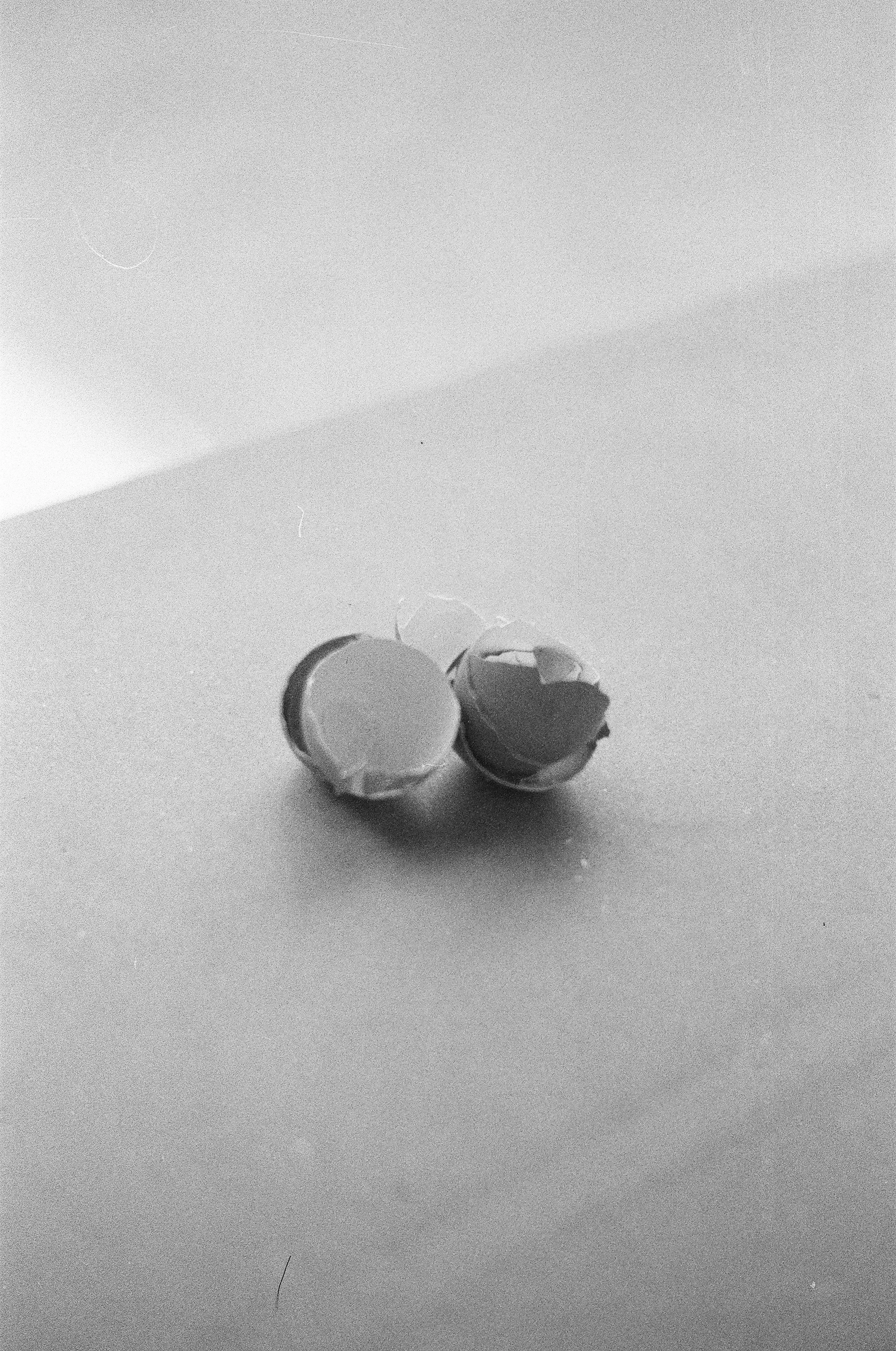
LIFE
LIFE is a visual journey that explores the cycle of existence through a gentle and intimate gaze. The project unfolds as a quiet reflection on the ordinary, where small gestures and simple actions become meaningful traces of our presence in the world. These photographs do not seek grand narratives or exceptional moments; instead, they linger on the everyday — morning rituals, the light filtering through a window, the warmth of domestic spaces, the subtle poetry of what happens softly, without clamour.
Each image captures a fragment of life suspended in time, allowing the viewer to rediscover the beauty hidden in routine. Shadows, textures, objects, and human presences become storytellers, revealing emotions
that lie beneath the surface of habit. In this delicate stillness, the ordinary transforms into something universal: we recognise ourselves in these scenes, in a gesture, in a detail, in something familiar that we had forgotten.
LIFE invites us to slow down, to pay attention, to look more closely. It reminds us that beauty often resides in what is quiet and unassuming, in moments that slip by unnoticed. This body of work becomes a meditation on presence and absence, on what remains and what fades, celebrating the essential simplicity that holds our lives together.
Crypt of San Zama, Bologna, 2025
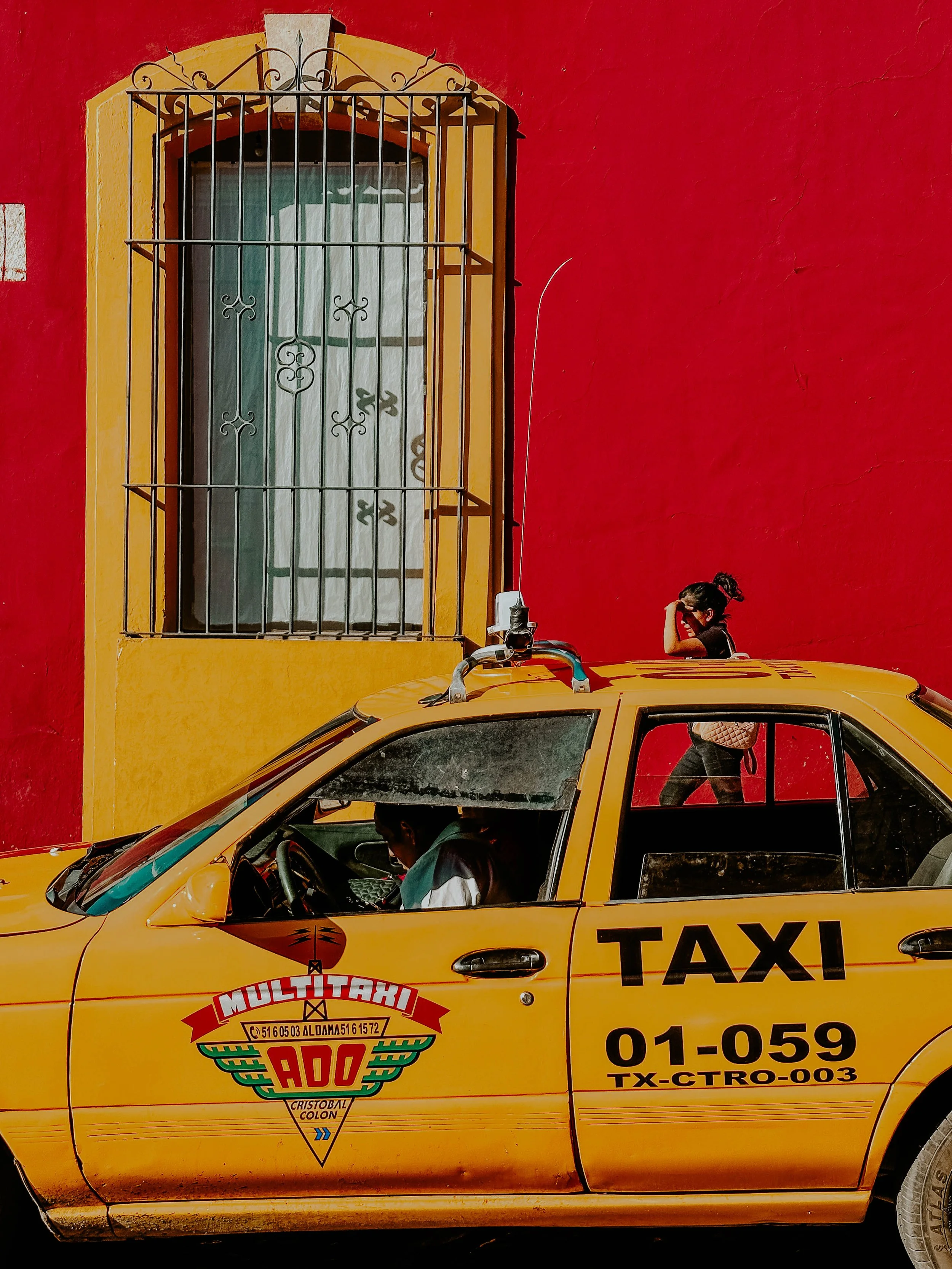
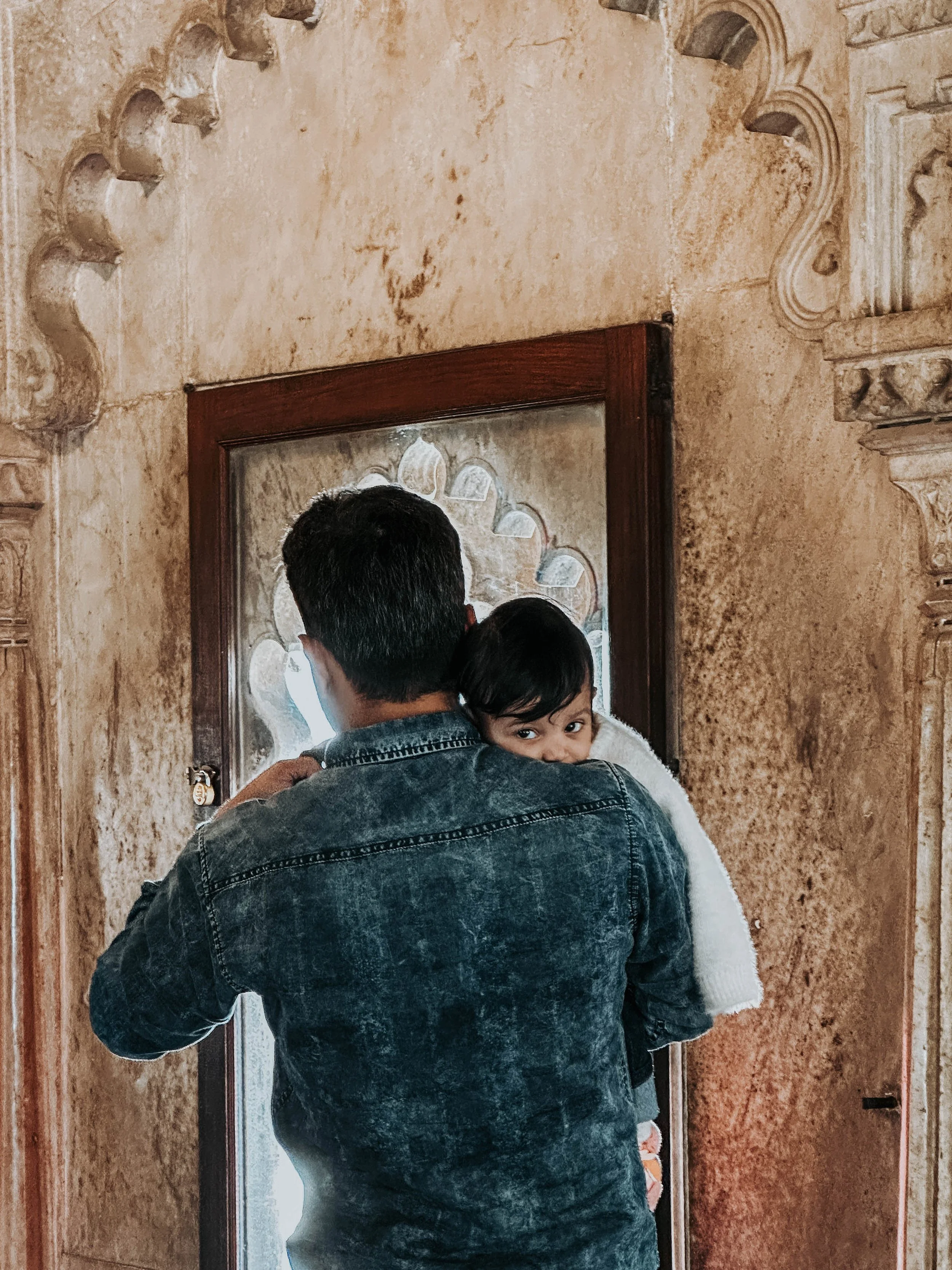


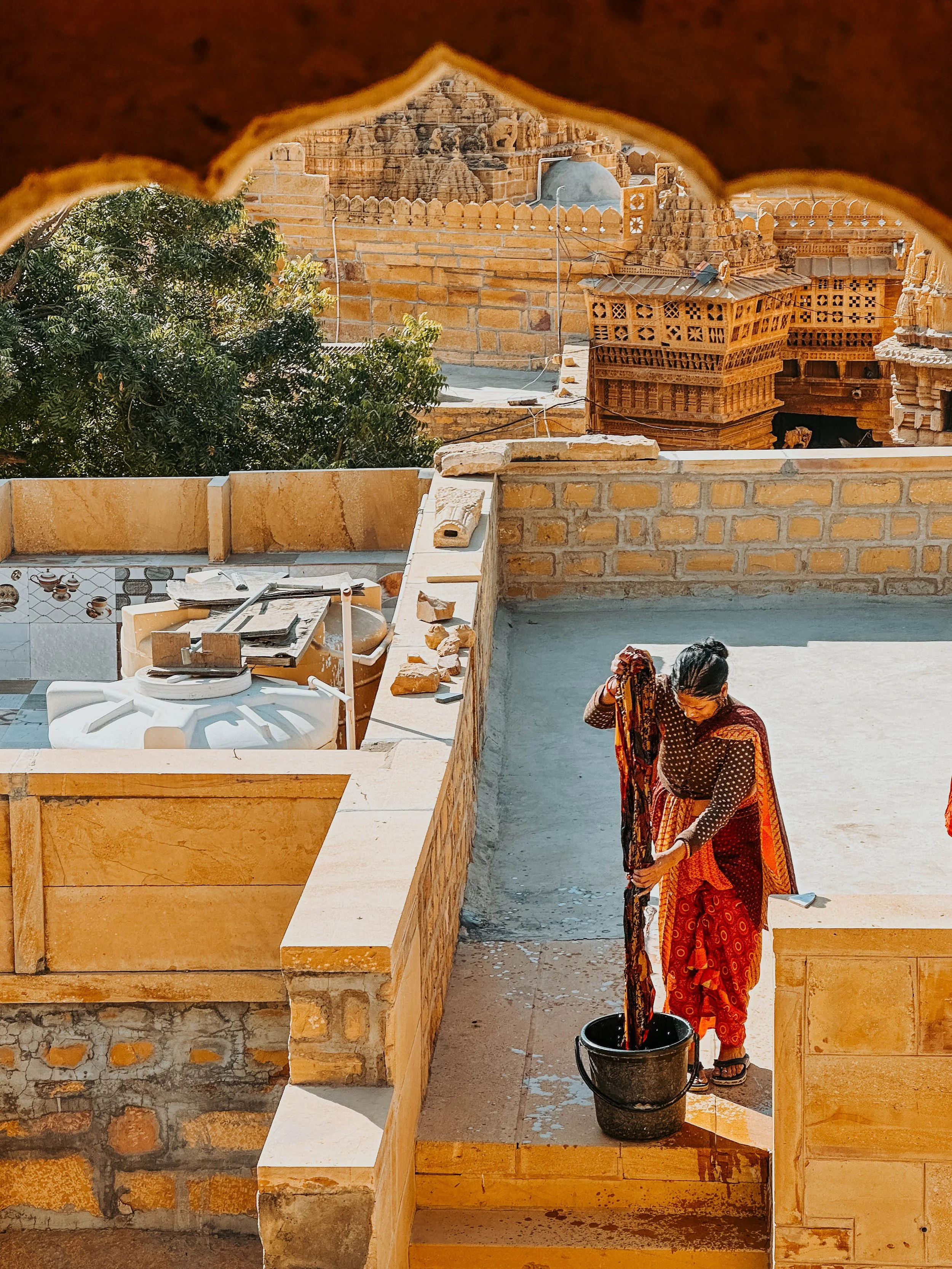
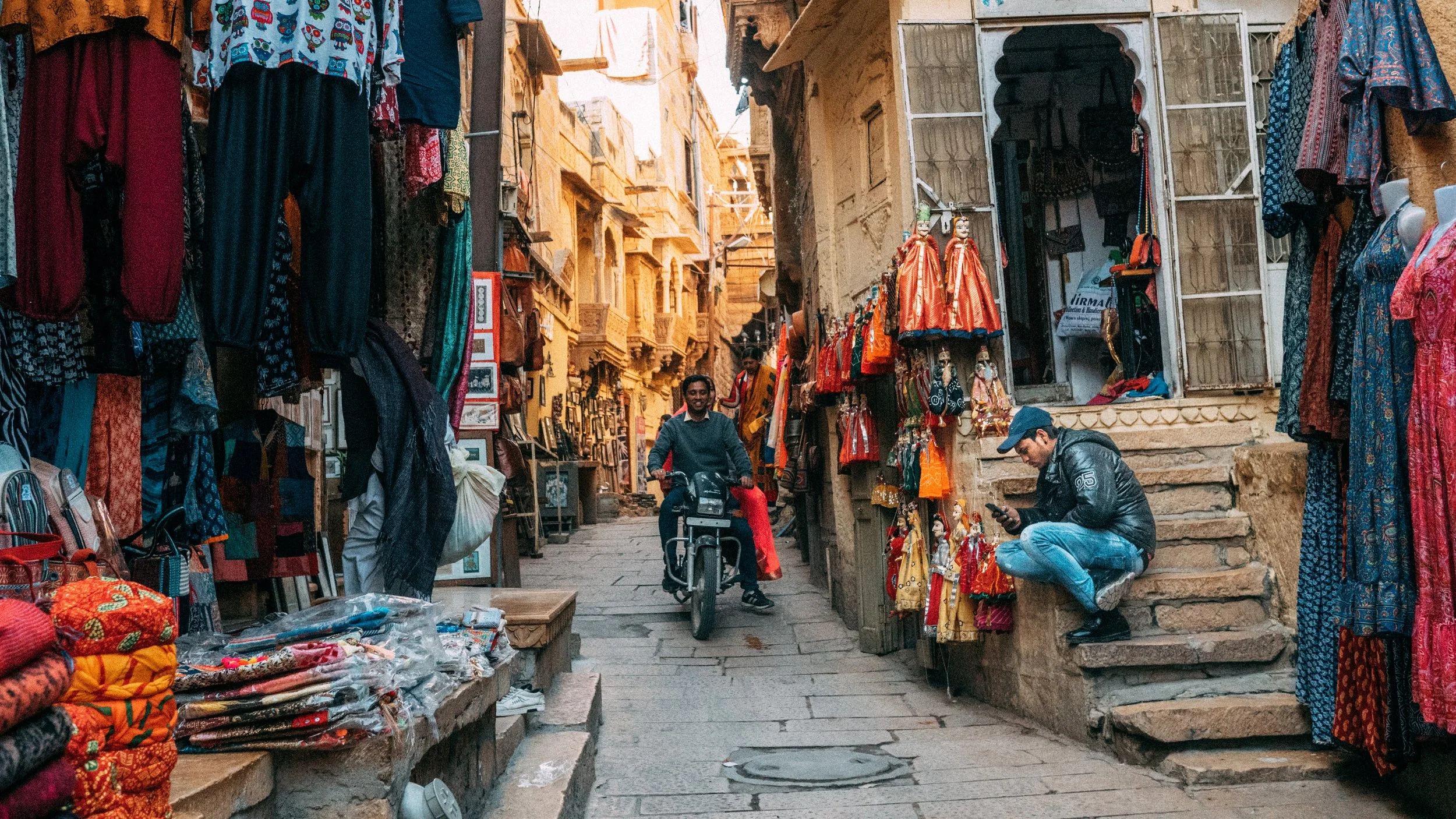
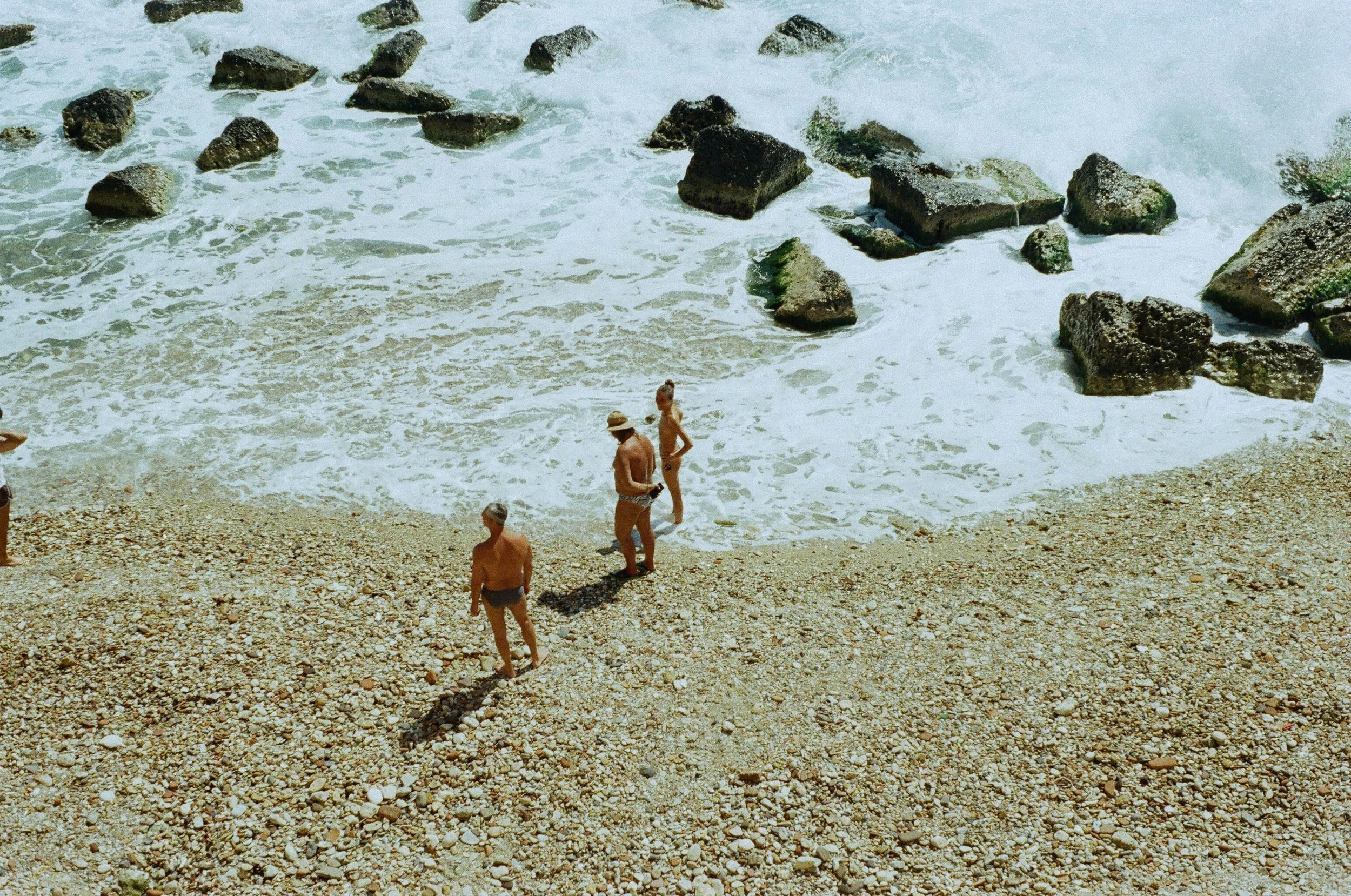
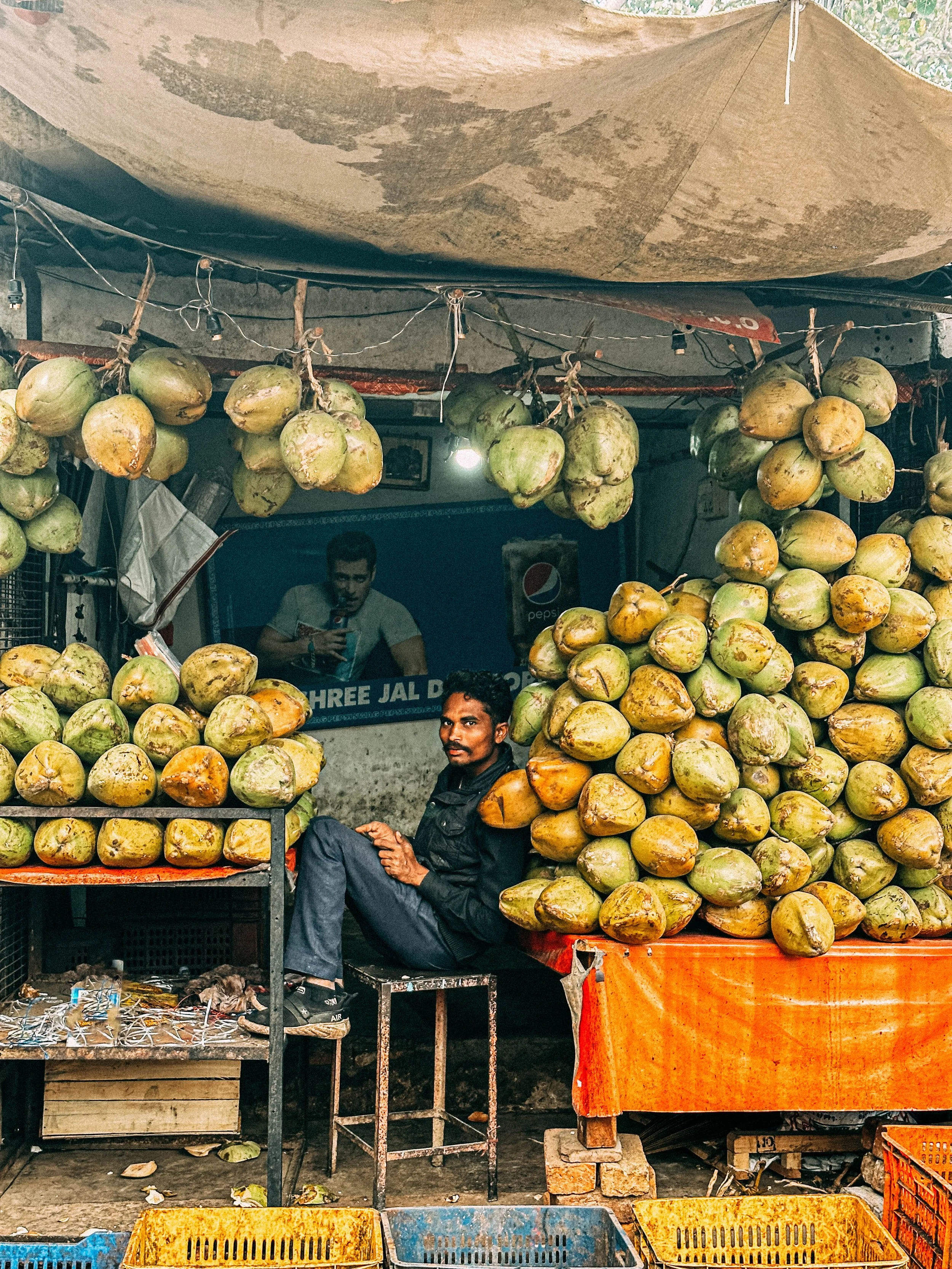
EYE
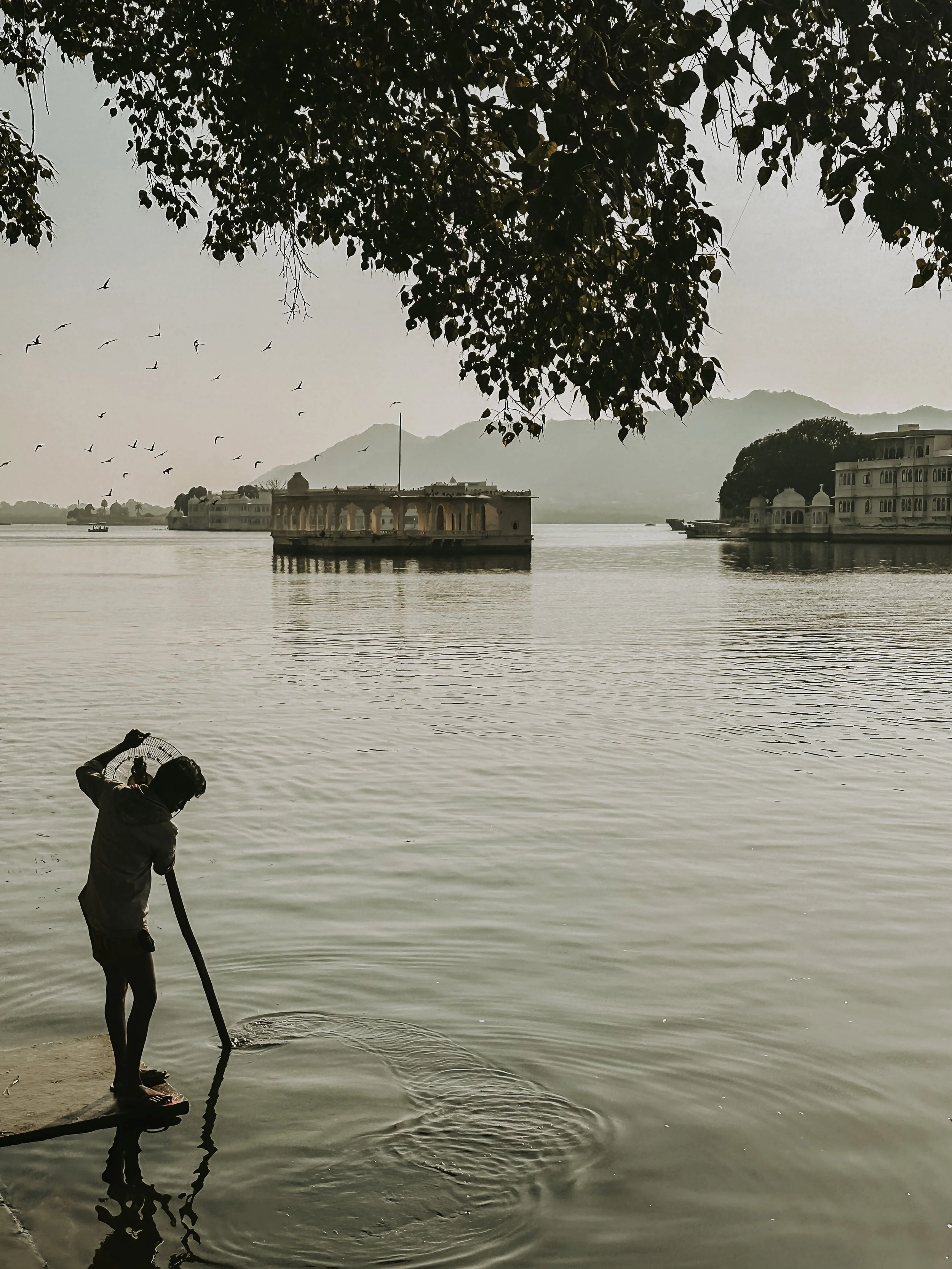
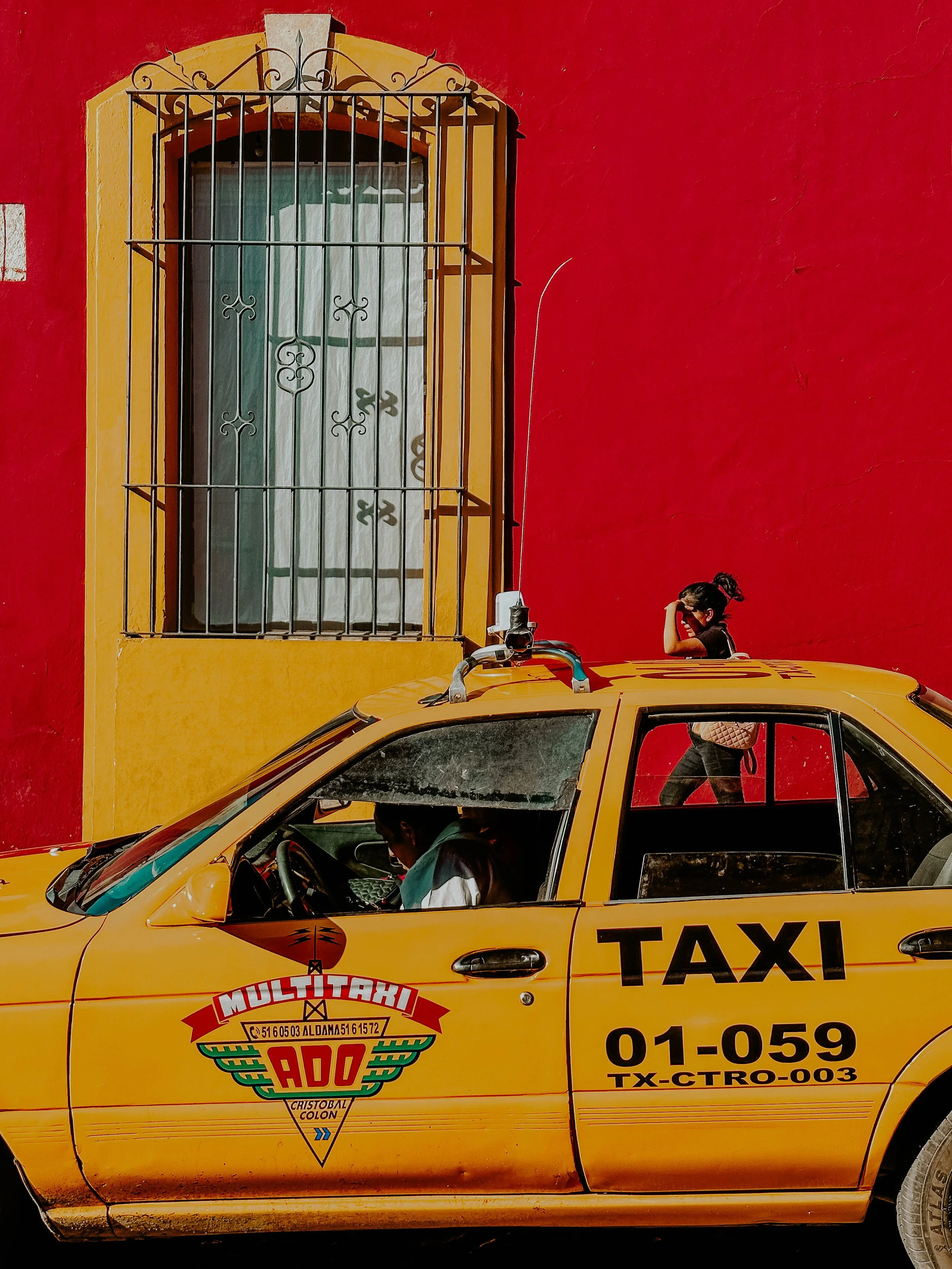
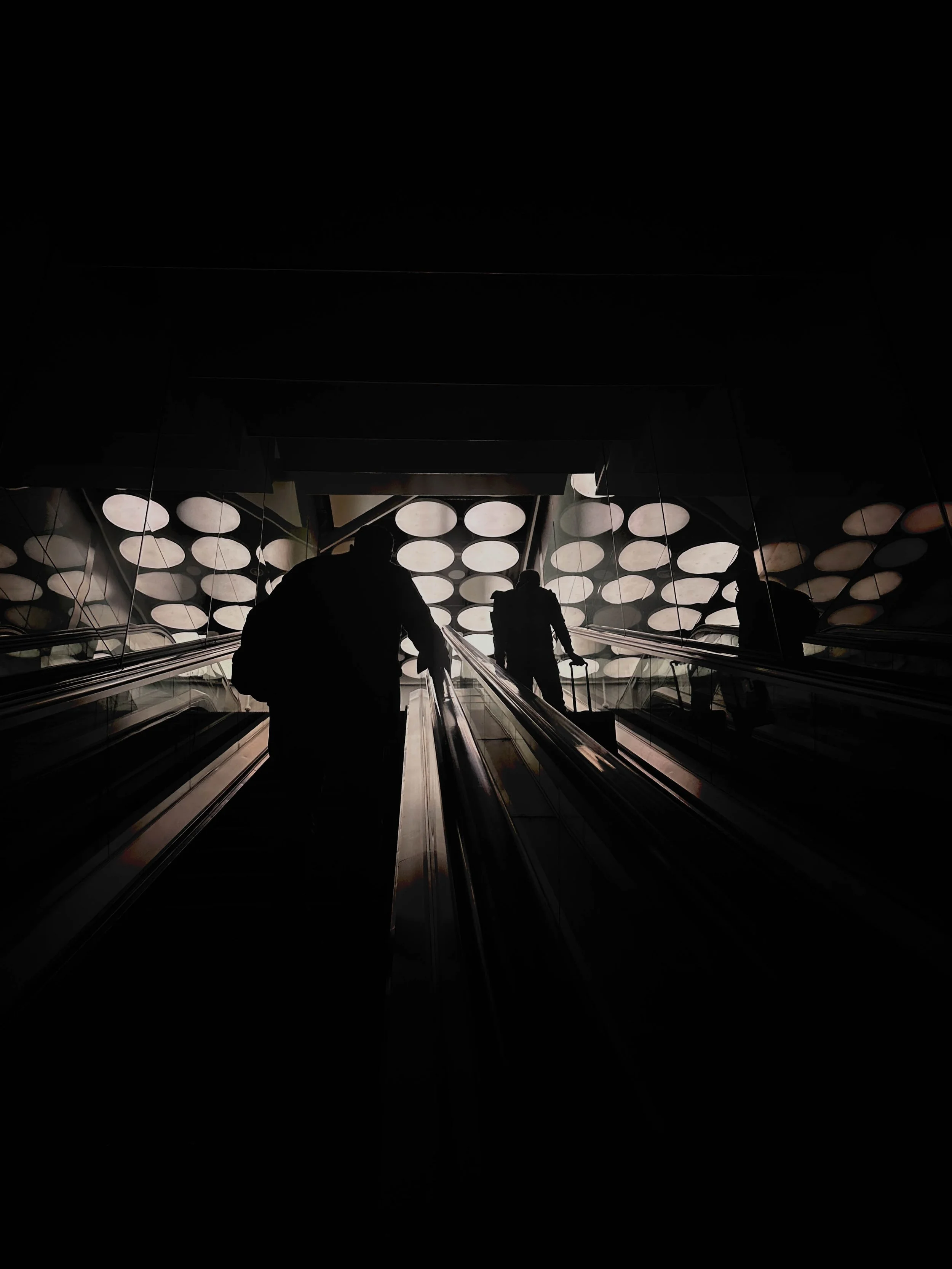
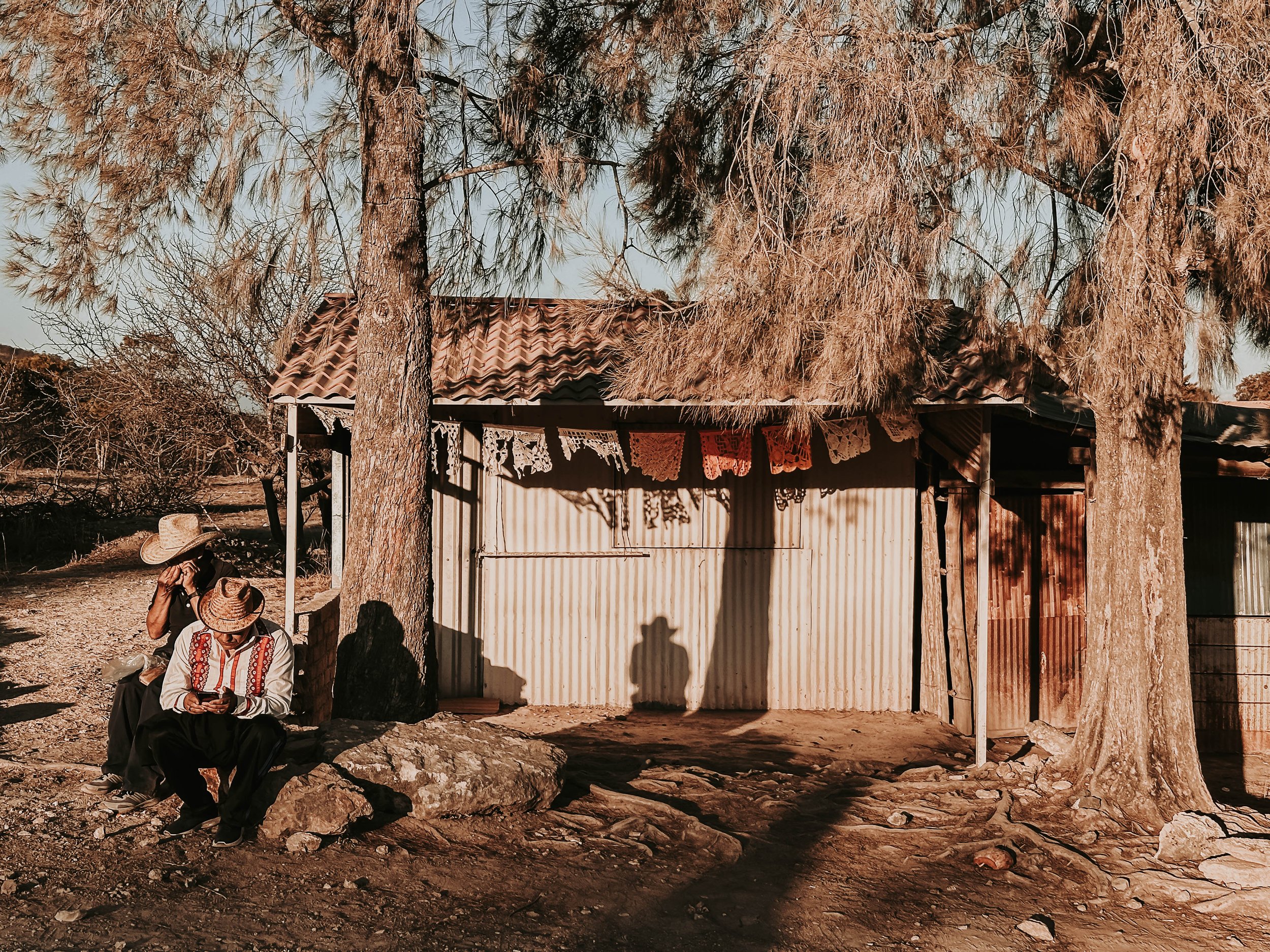
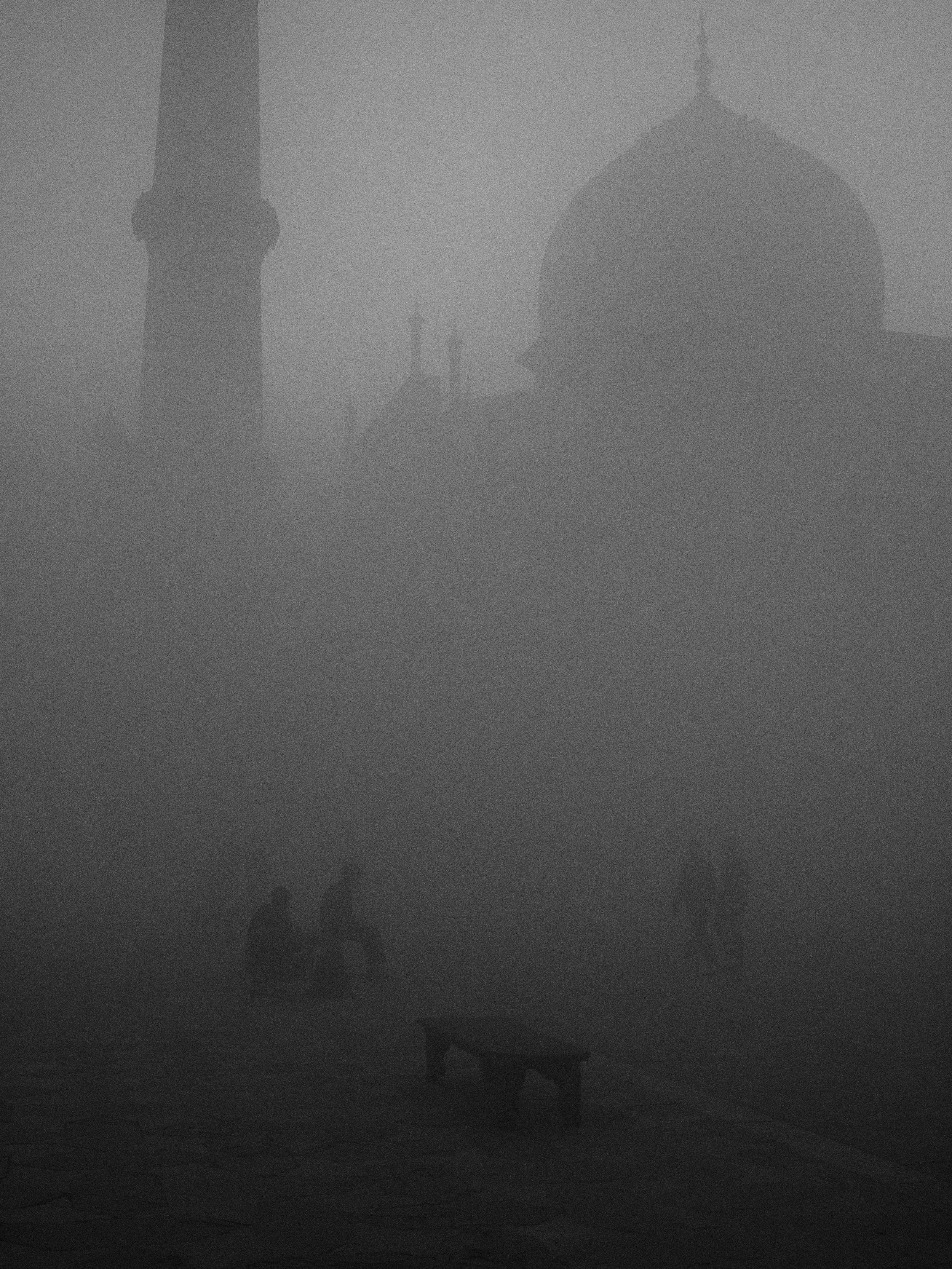
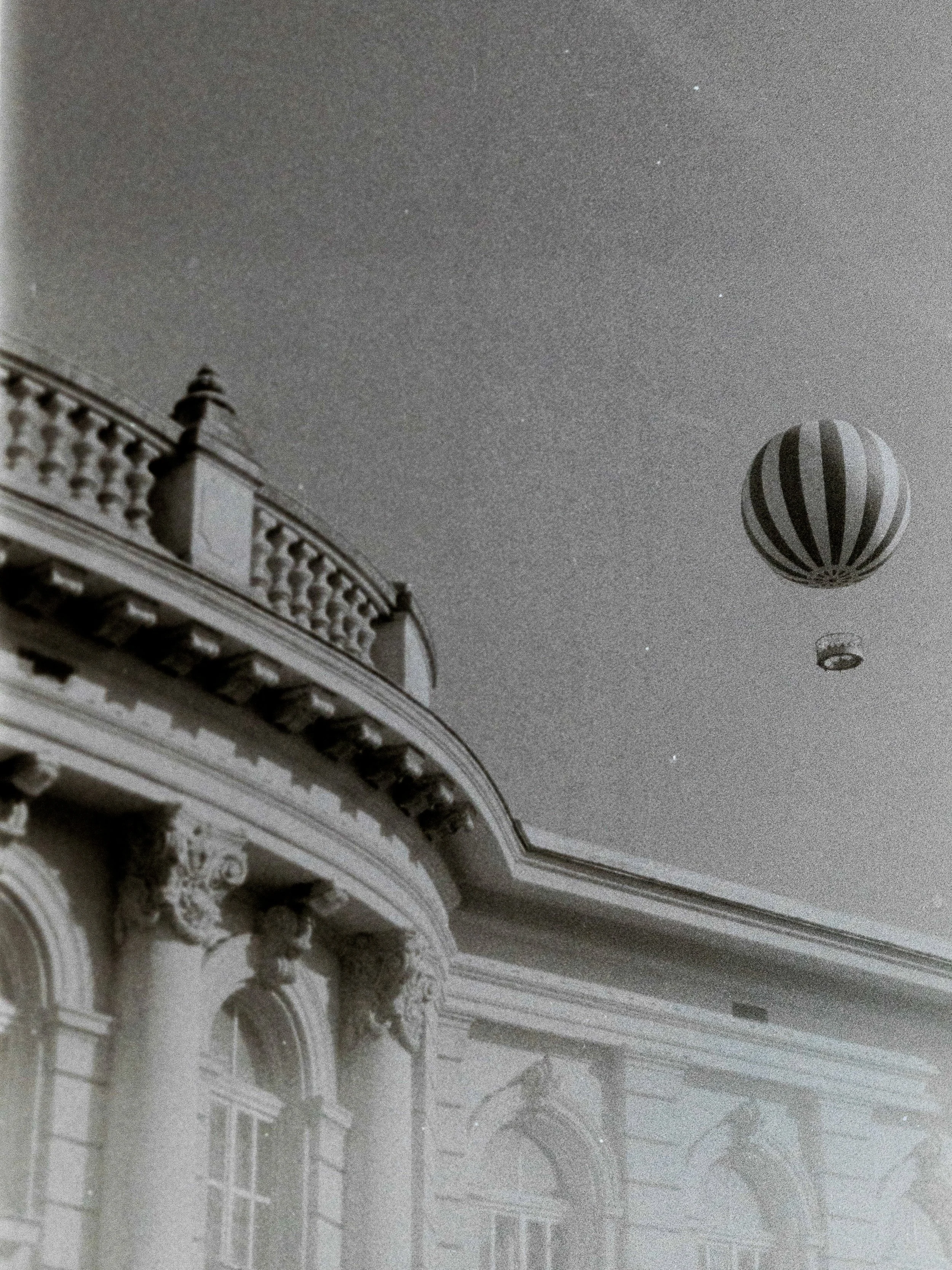
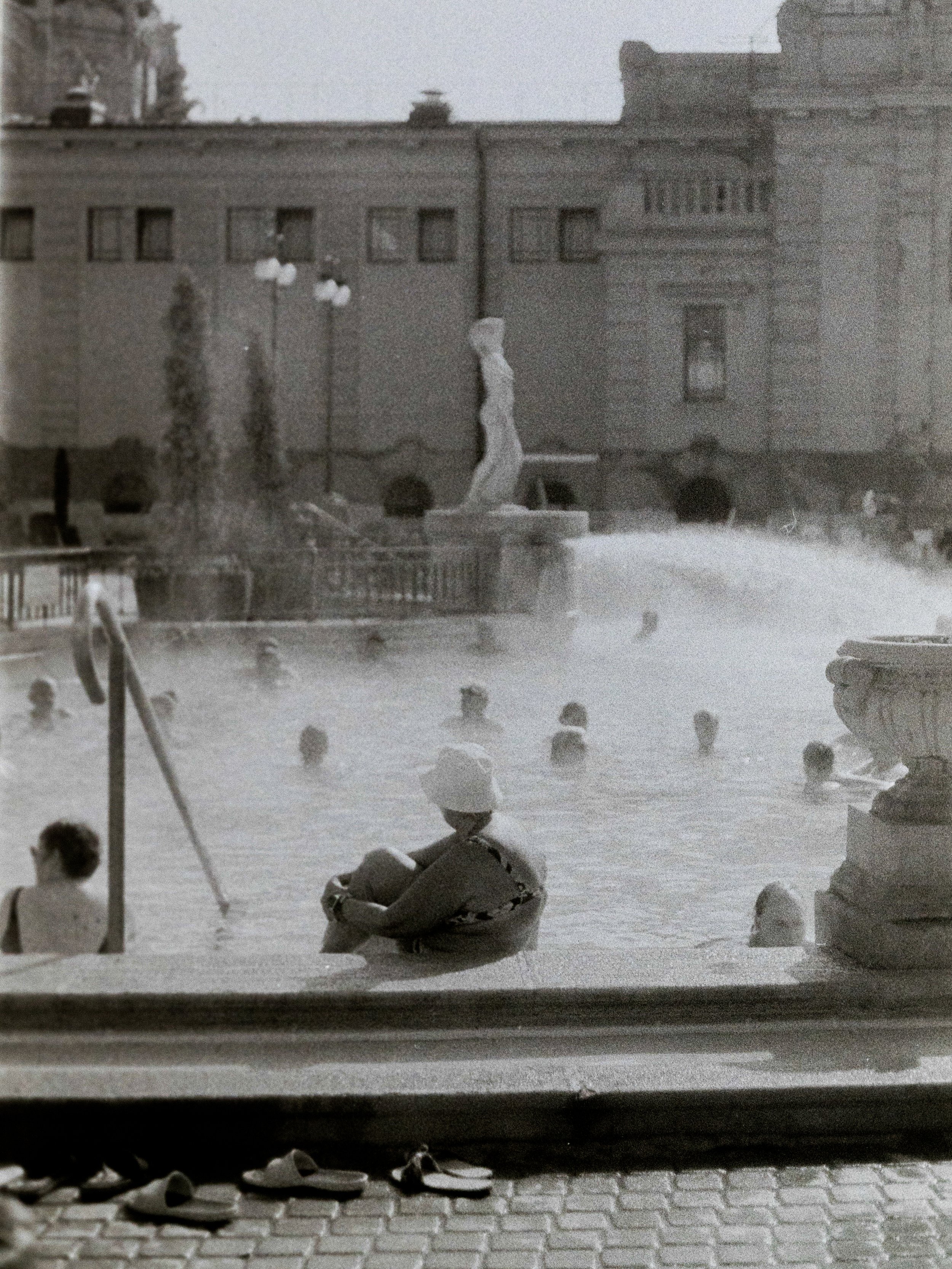
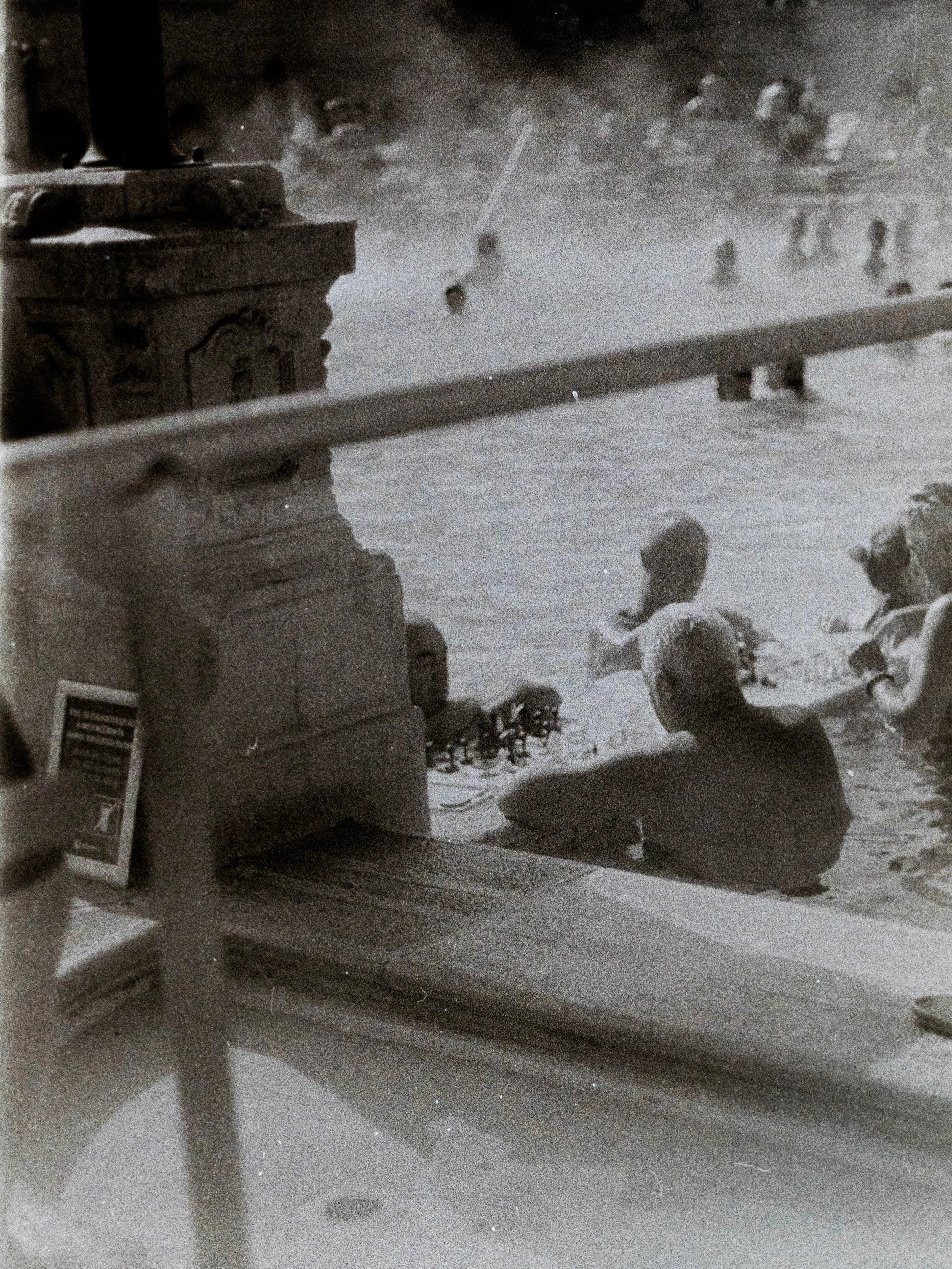
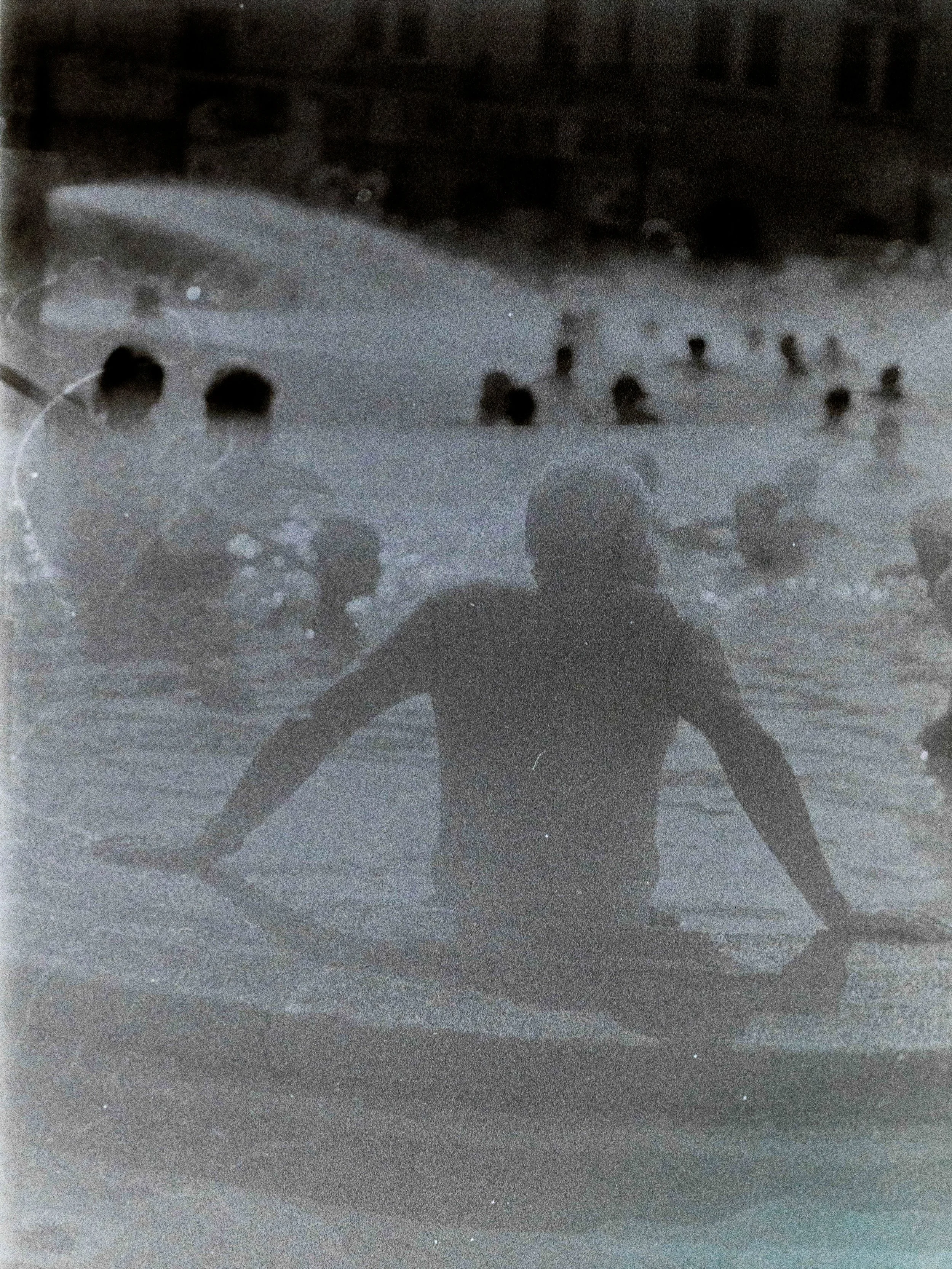
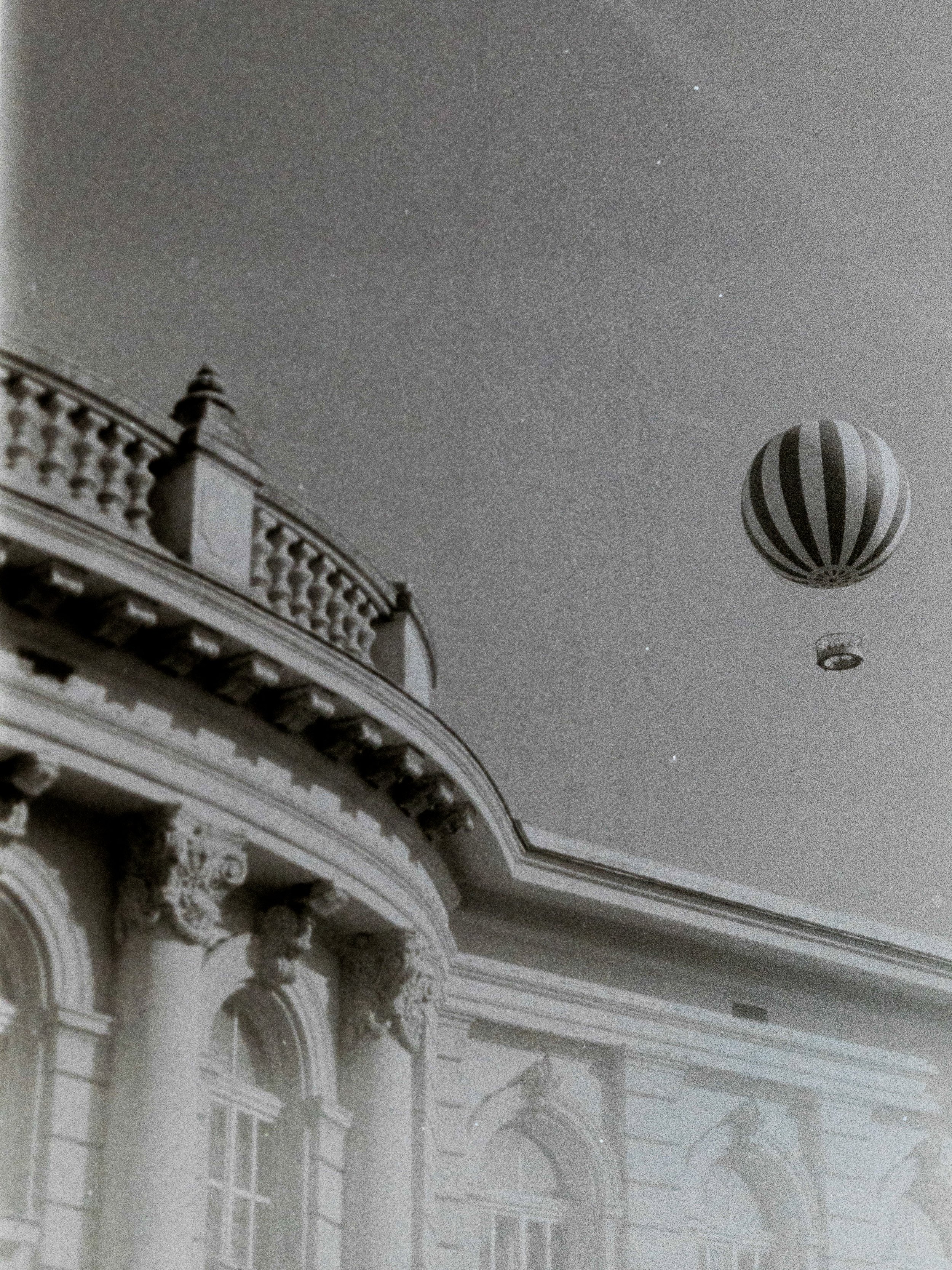
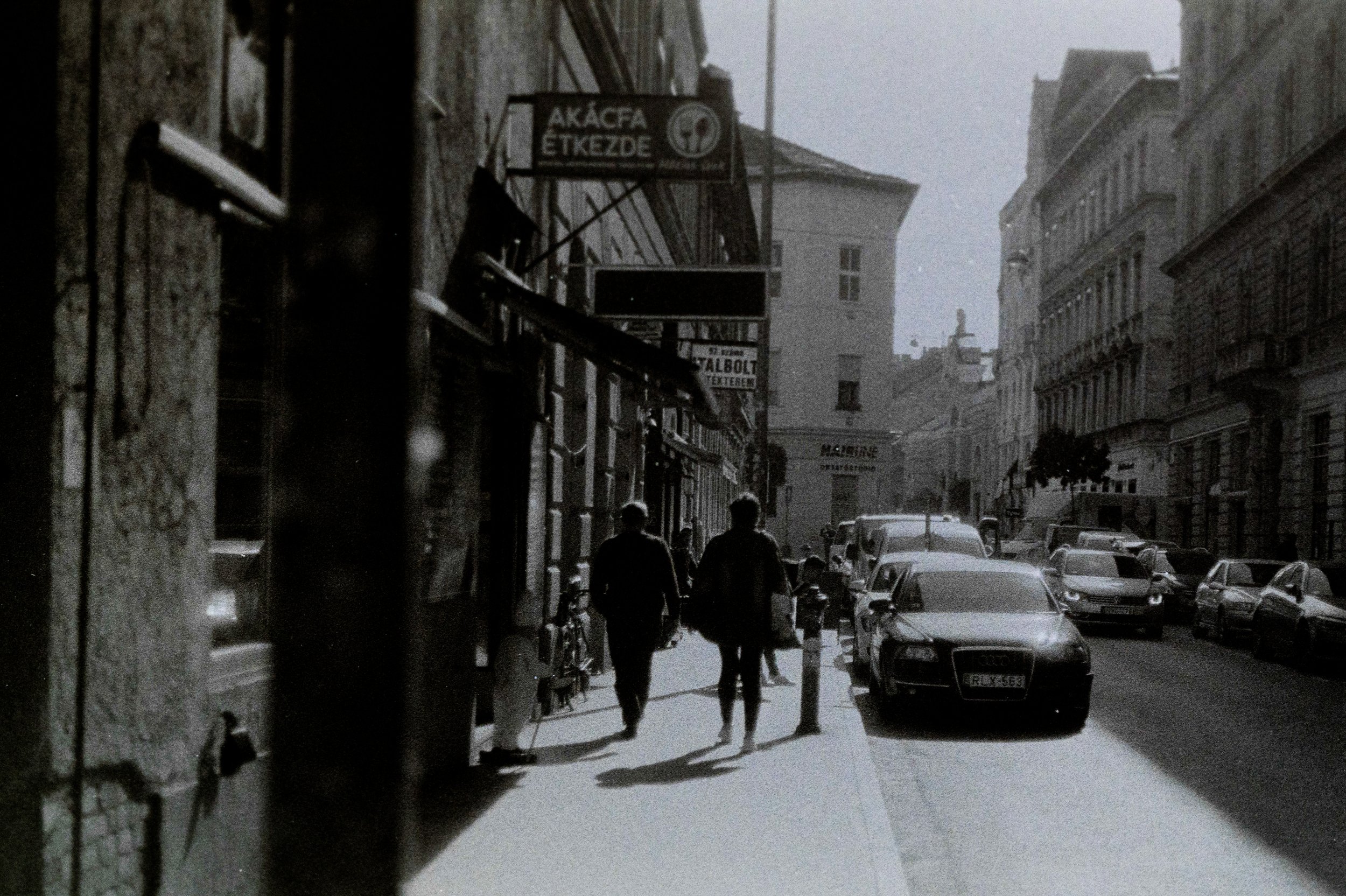
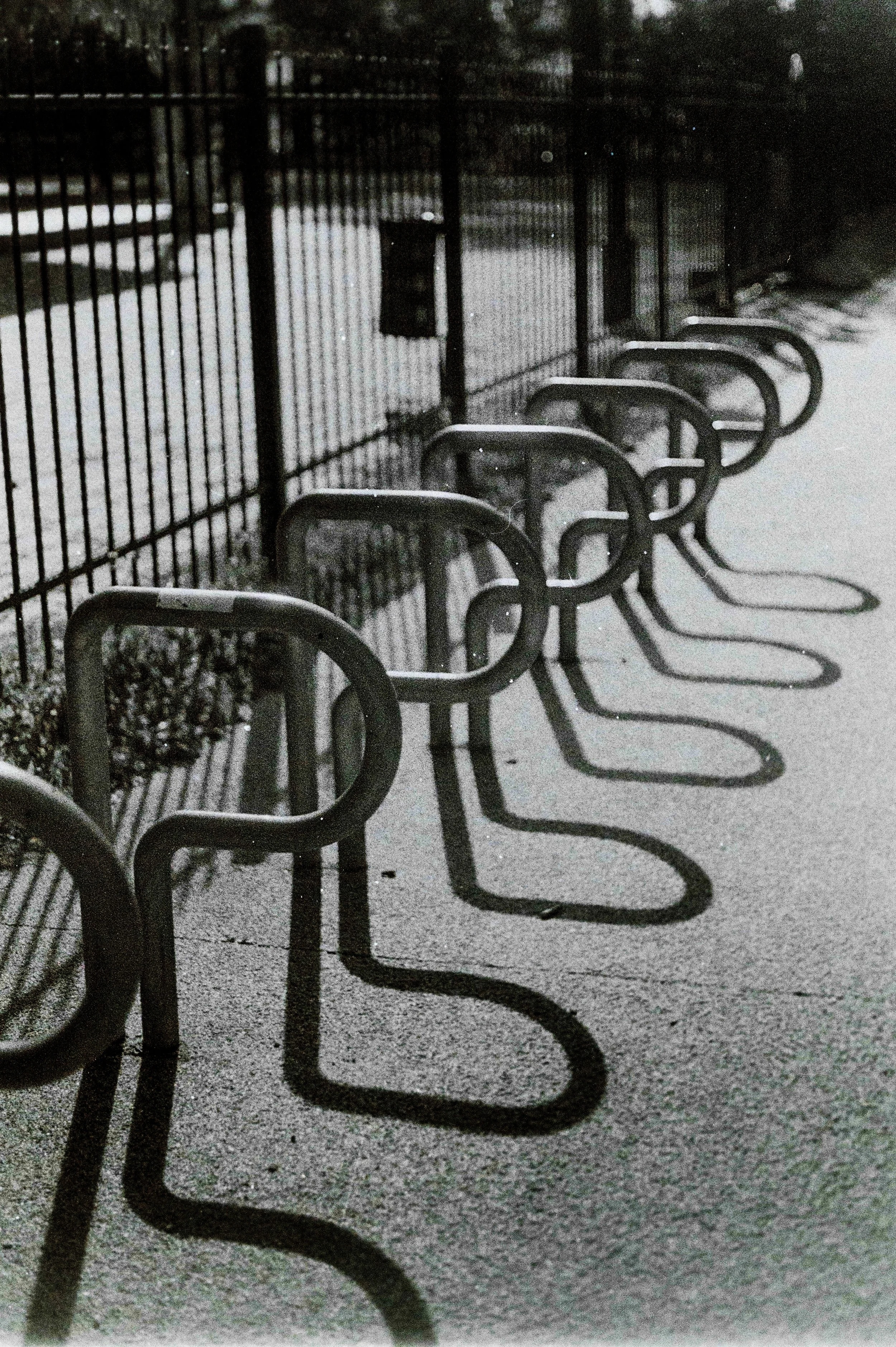
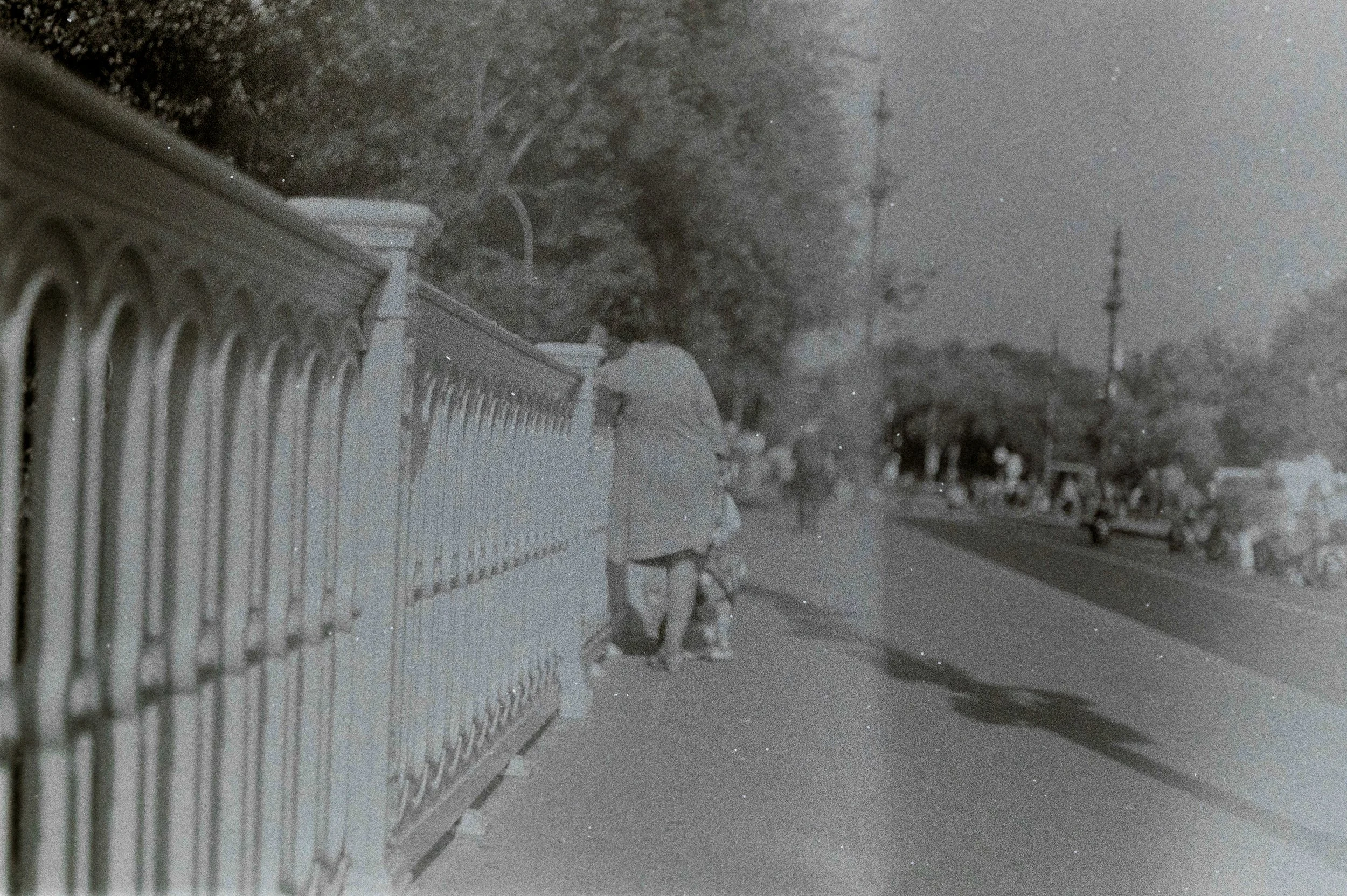
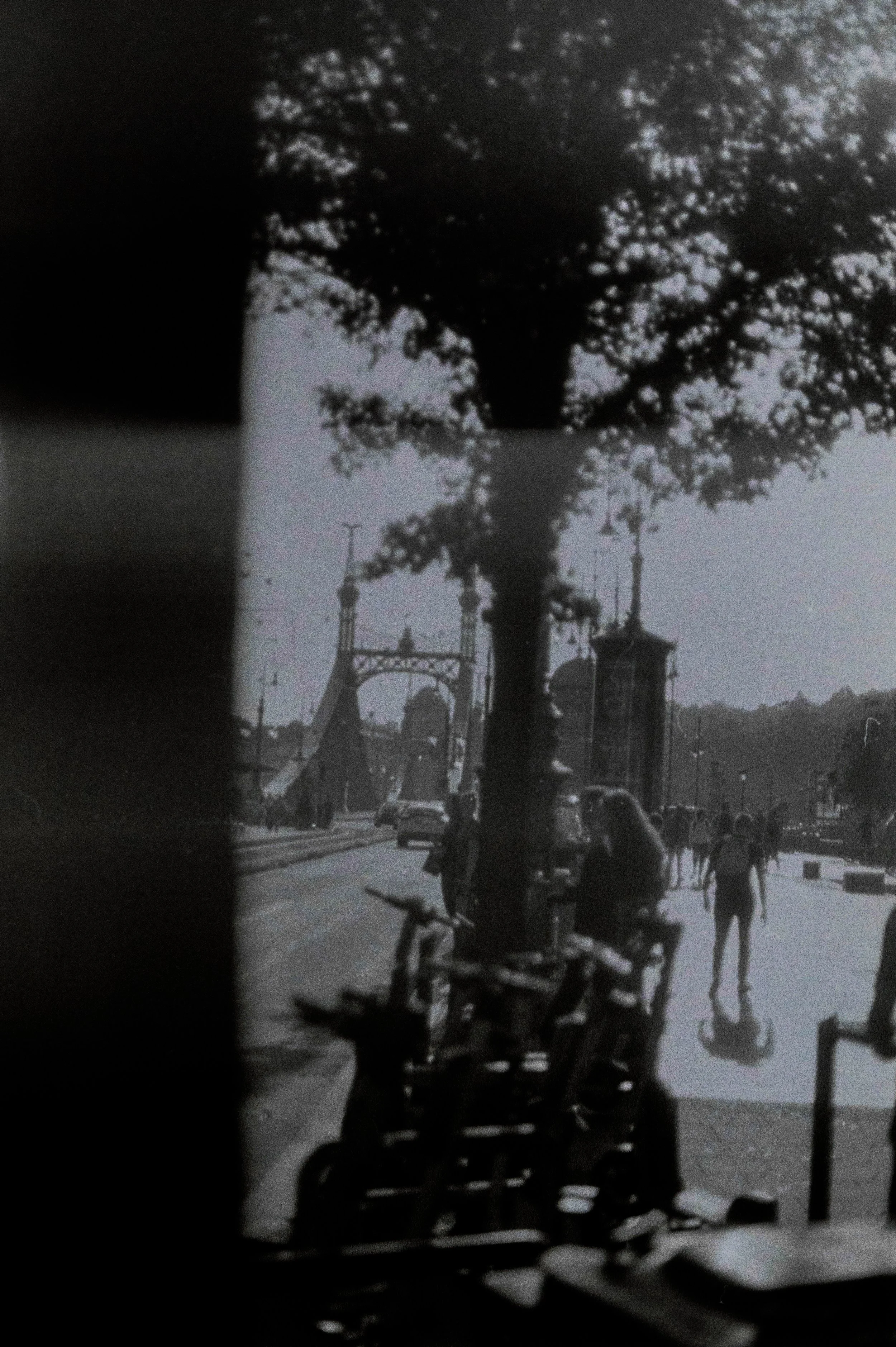
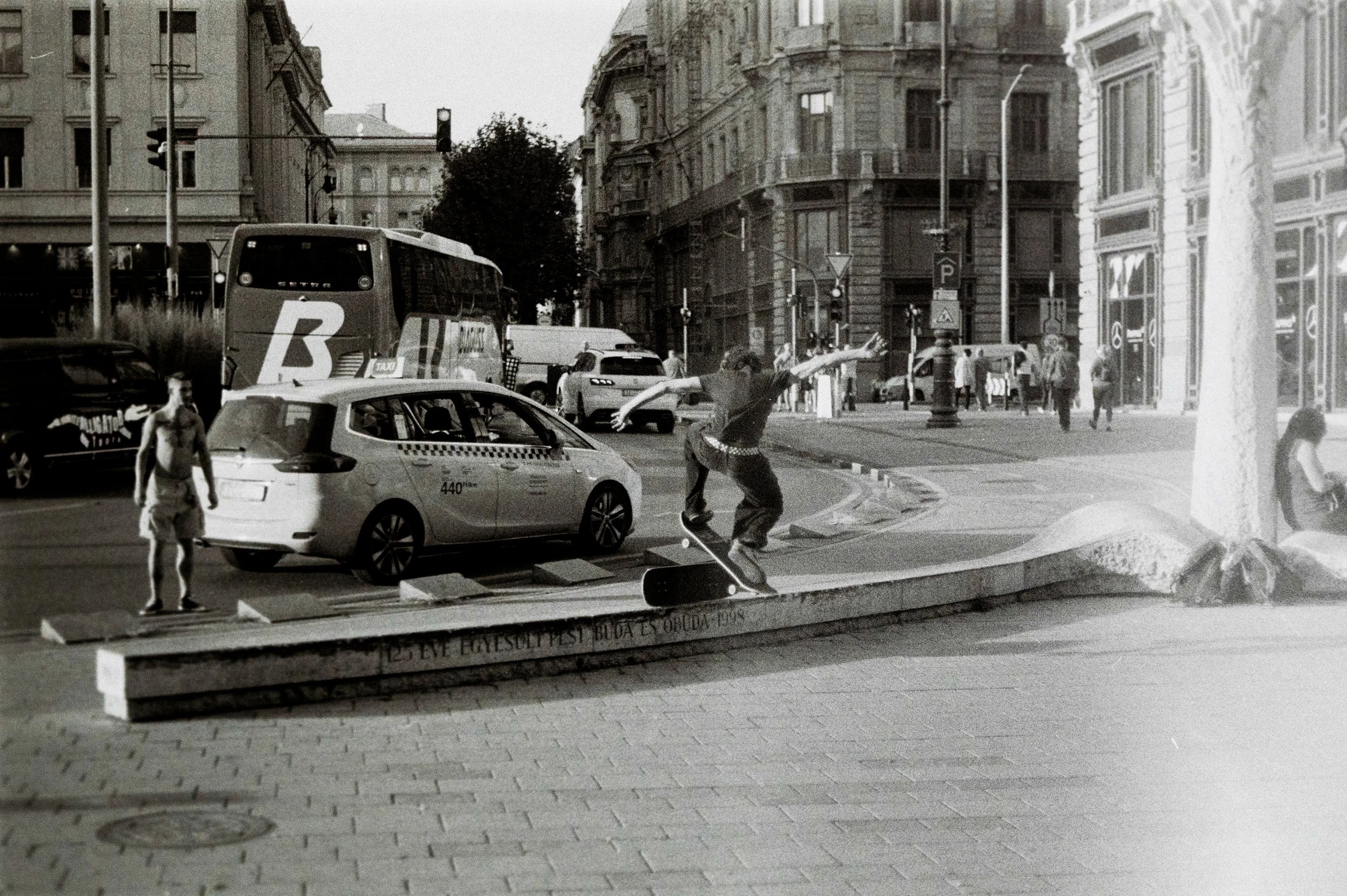
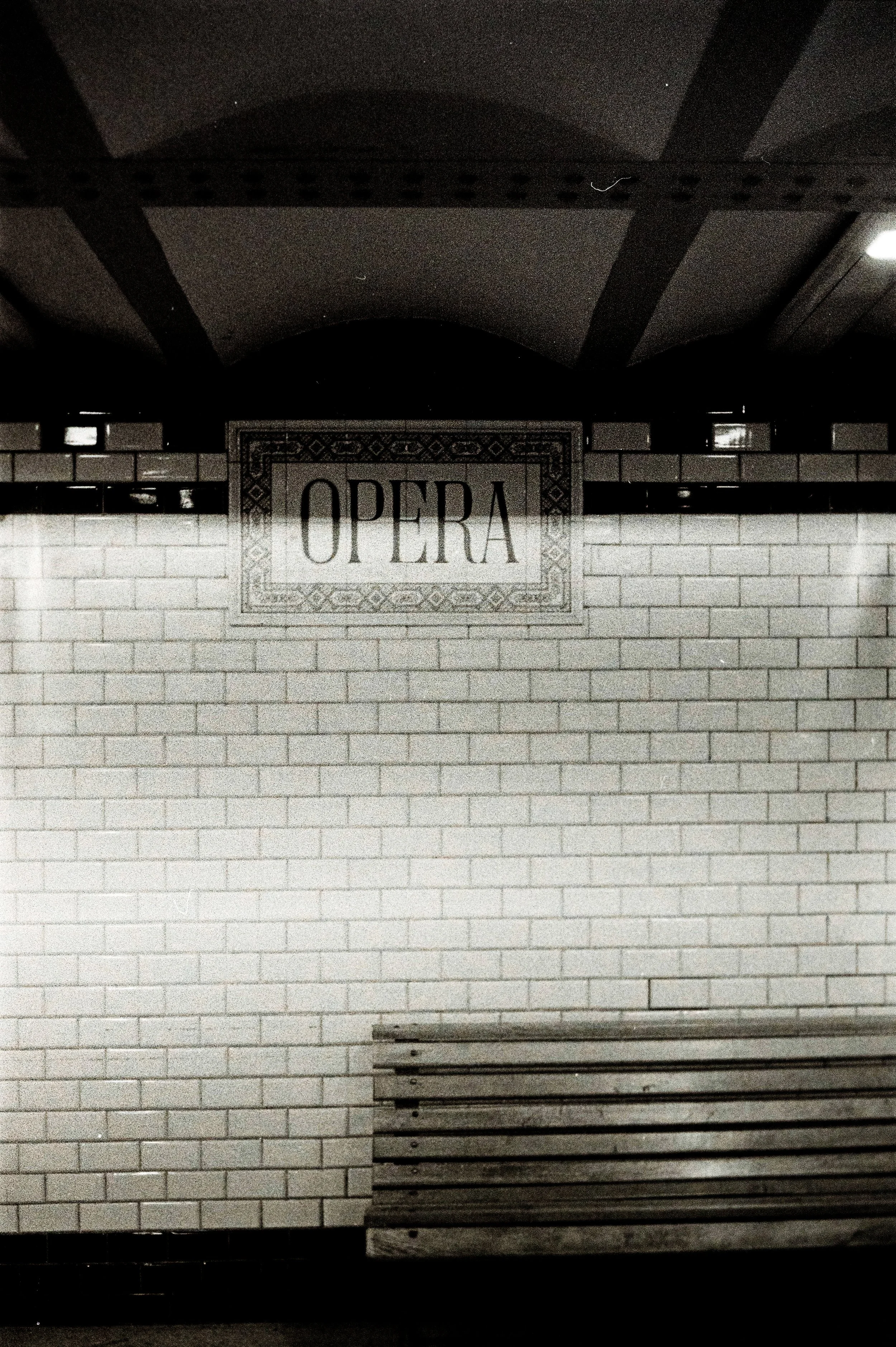
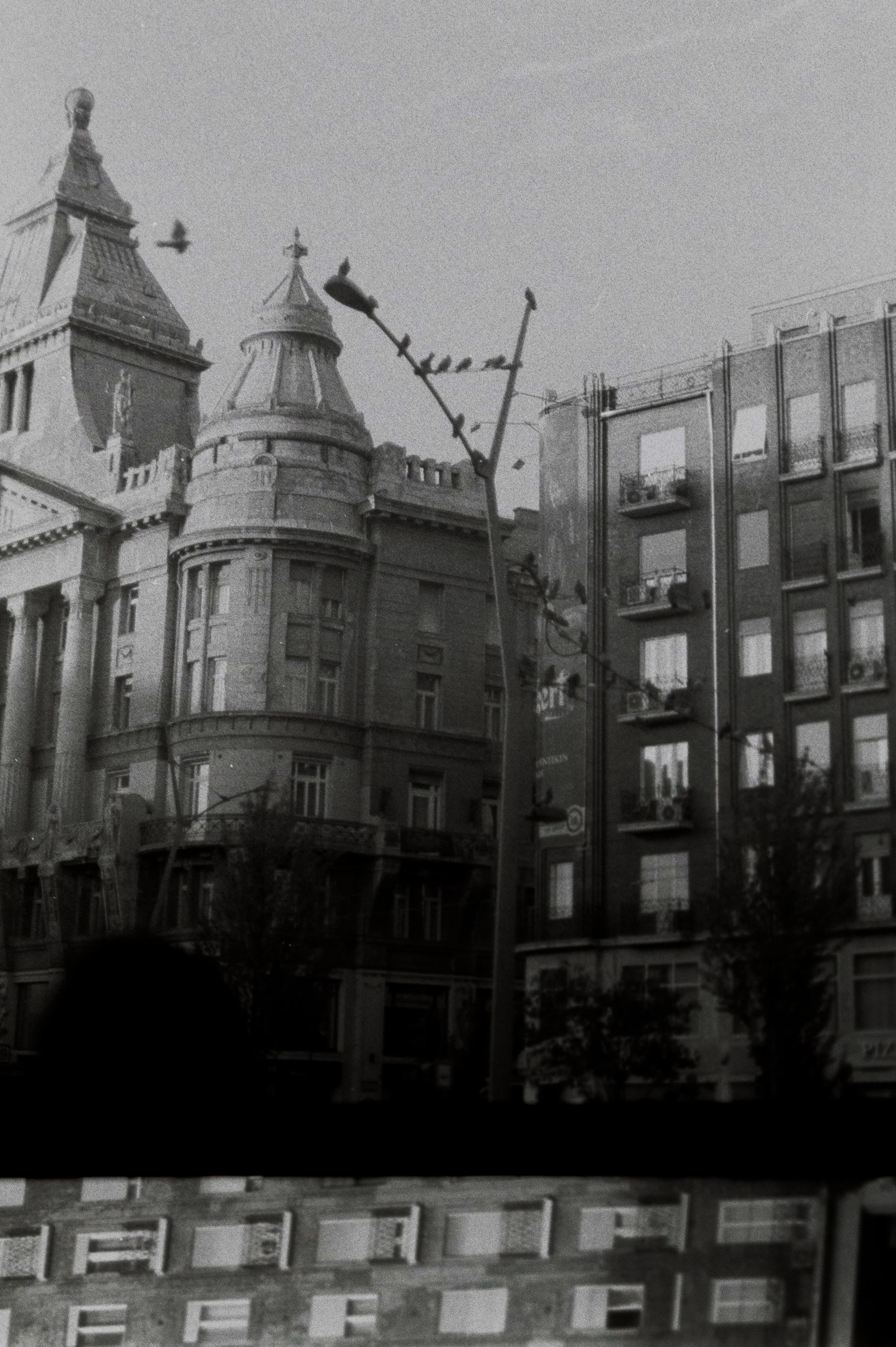
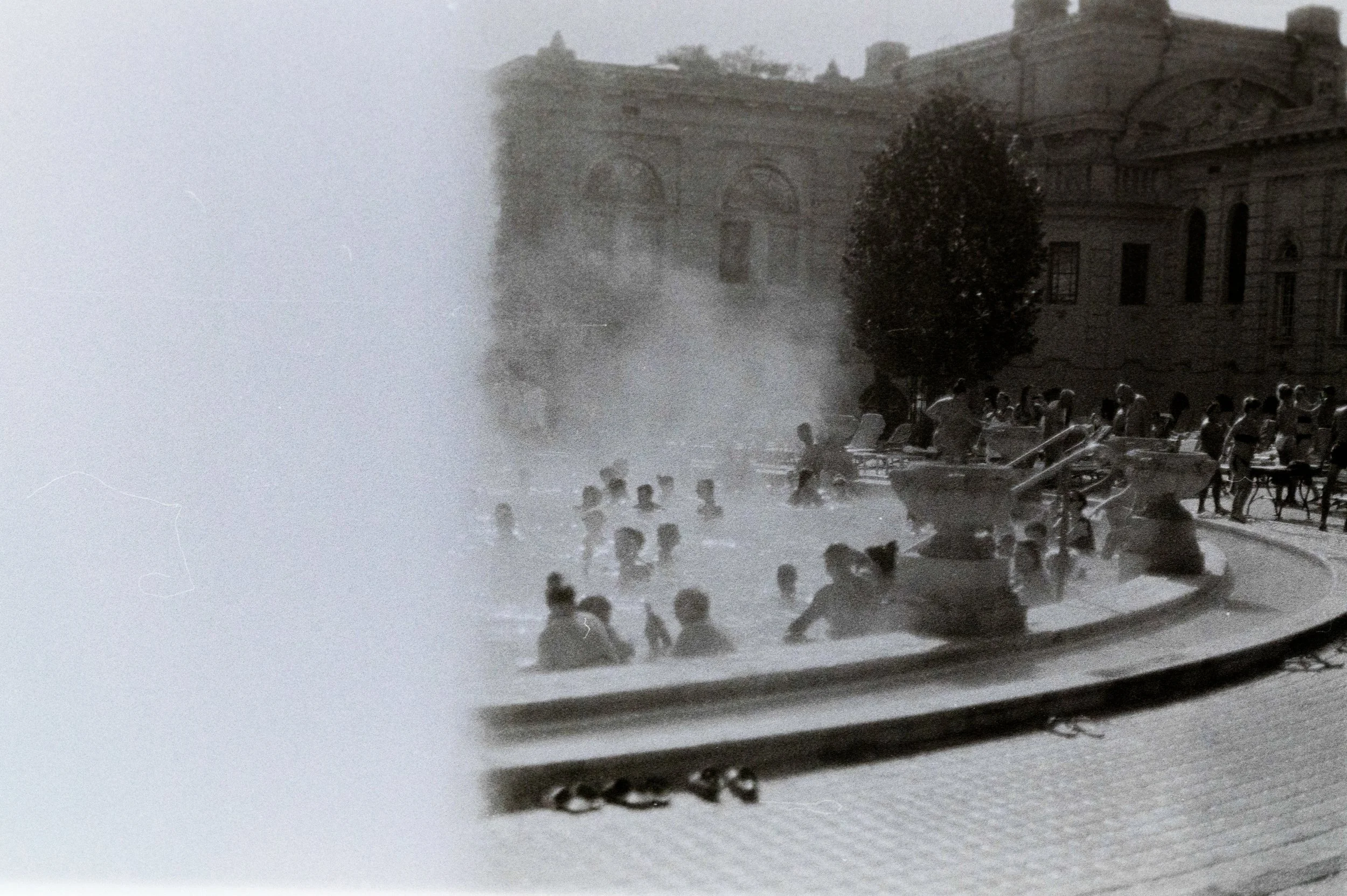
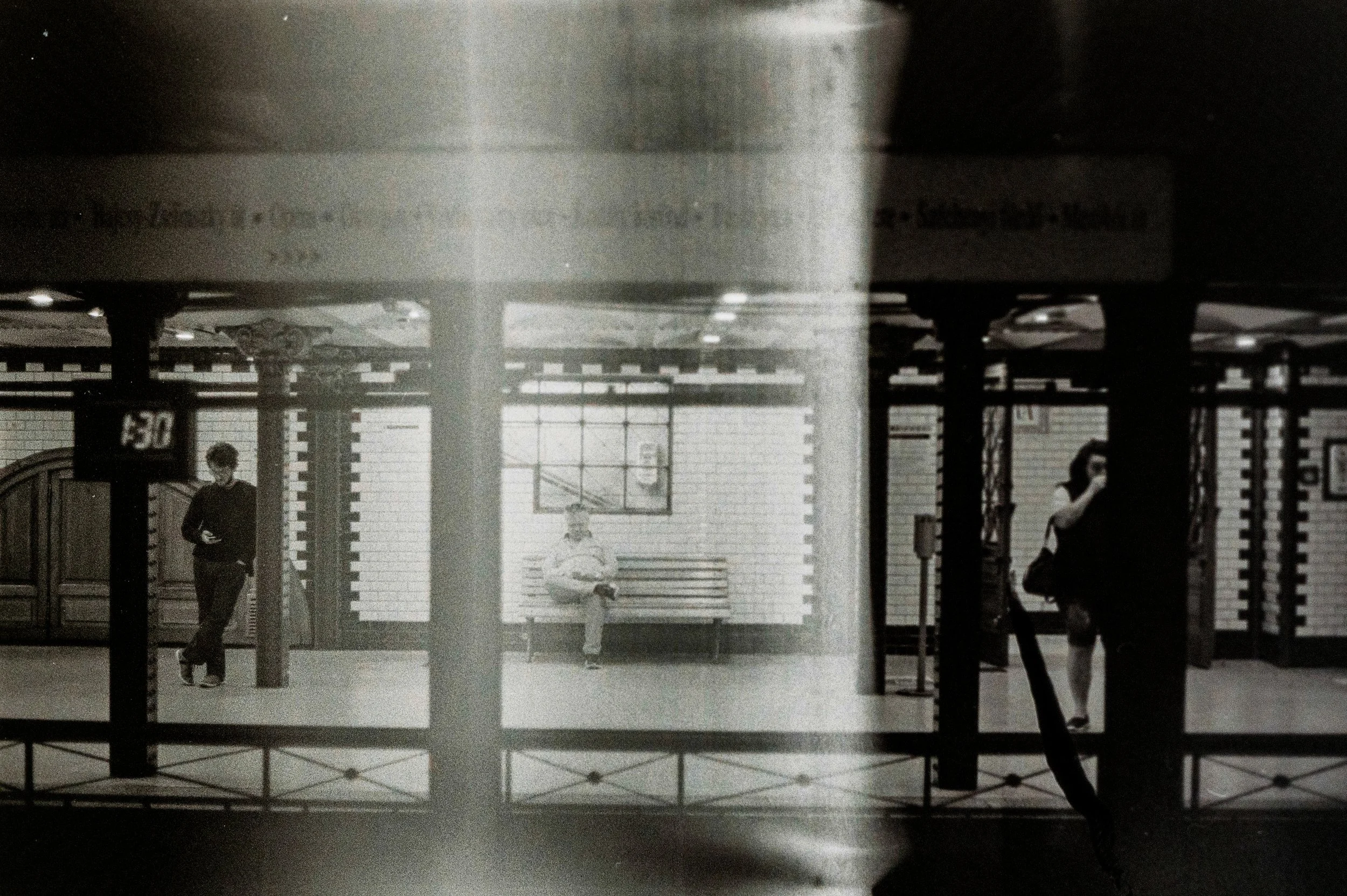
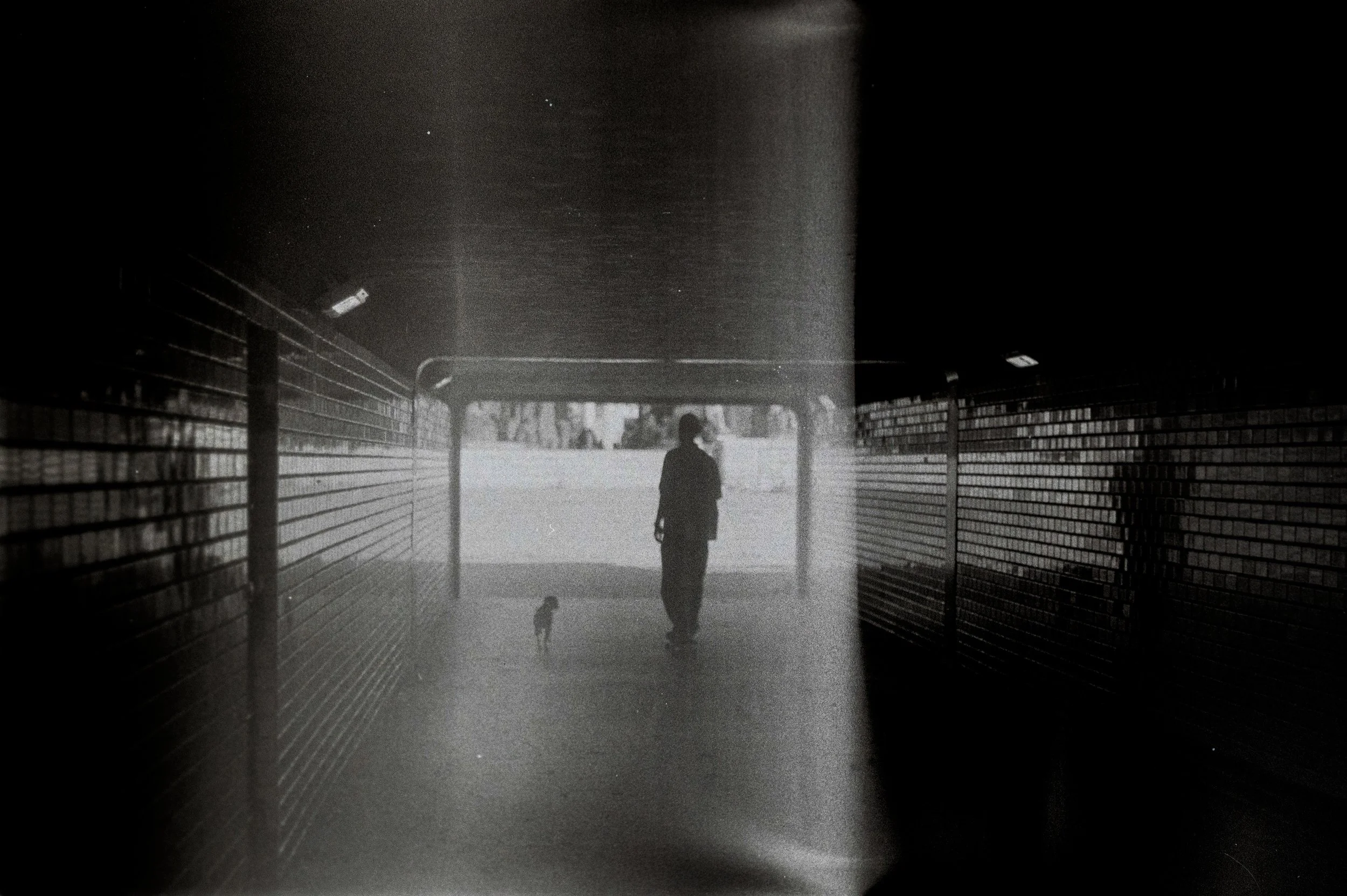
EYE originates from a technical accident: where there should have been only darkness, light unexpectedly intervened. Although the film roll had been compromised, the darkroom development process brought back — or rather, brought to light — a series of stolen frames from Carolina Negroni’s stay in Budapest. What was destined to remain invisible resurfaced instead, as if the material itself was unwilling to disappear.
It seemed almost as though the roll already sensed her devotion to the nebulous and atmospheric. The incident bestowed upon the film a veil of opacity, a tangible haze that aligns with the aesthetic the artist instinctively seeks in her work. What emerged was not flaw, but texture — an unforeseen gift that revealed a language she often pursues unconsciously, image after image.
EYE stands as an ode to chance, to the unpredictable nature of analog photography, where error becomes revelation. The project invites the viewer to look beyond clarity, to welcome uncertainty and its poetic distortions, and to discover how light, even when uninvited, can transform absence into presence.
BoA Spazio Arte, Bologna, 2024
Le forme si aprono tra chiusura e chiusura
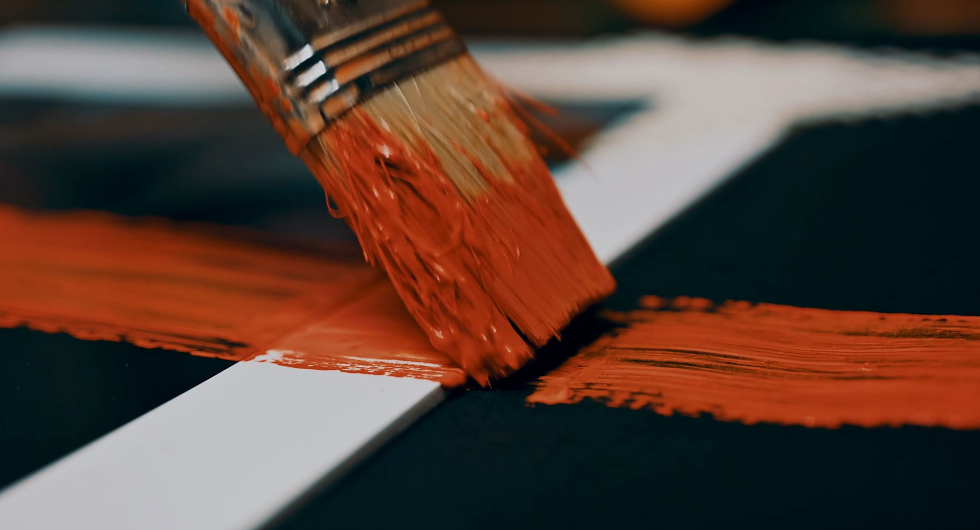
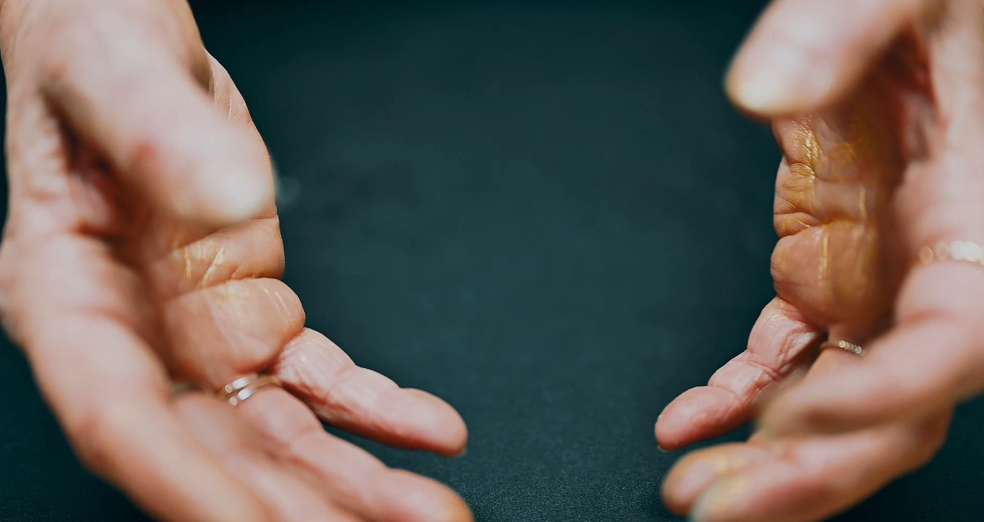
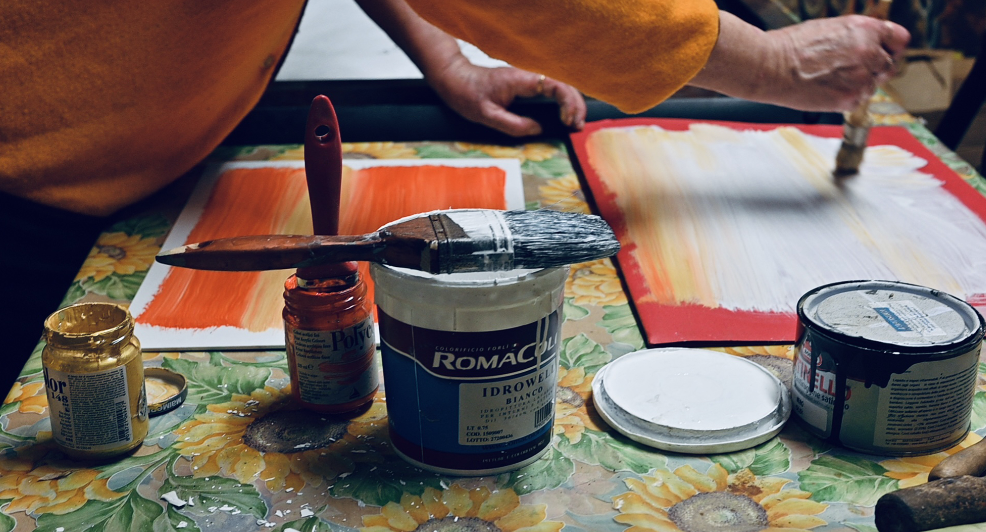
"Le forme si aprono tra chiusura e chiusura" is an audio-visual project by Carolina Negroni, inspired by the homonymous work by Vincenzo Agnetti (1971).
The project offers a multi-sensory immersion that guides the viewer through the creation process of an artwork. Its core lies in the presence of the object/subject that has always been responsible for making: the hand.
The hand produces sound, manipulates materials, holds brushes, sharpens or softens shapes, and inevitably generates closures between lines.
This work aims to place the creative process and the final piece on an equal level of importance.
Il Punto Gallery, Bologna, 2023